LG Refrigerator Compressor Replacement
Bergen County, New Jersey

Factory-Certified Technicians • Genuine LG Compressors • Same-Day Service

LG Refrigerator Compressor Replacement Experts

Is your LG refrigerator not cooling? A failing compressor is often the culprit. Our factory-certified technicians specialize in LG refrigerator compressor diagnostics and replacement throughout Bergen County, New Jersey. We understand how critical a working refrigerator is to your household.

LG's innovative Linear Compressor technology requires specialized knowledge and genuine replacement parts. Our technicians complete advanced LG compressor training and have access to 24/7 technical support directly from LG, ensuring accurate diagnosis and proper installation every time.

Why Choose Us for LG Compressor Replacement?

  • Authorized Bergen County Coverage: Our skilled technicians are strategically positioned throughout Bergen County, ready to address your repair needs with speed and precision.
  • Reliable & Prompt Service: With technicians dispatched from locations across Bergen County, we guarantee swift response times for every appointment.
  • Fully Equipped Service Vehicles: Each vehicle carries a comprehensive parts inventory, paired with intelligent dispatch software for maximum efficiency.
  • Same-Day Repair Solutions: We stock commonly needed parts to complete the majority of repairs during your first appointment.
  • Complete Repair Warranty: Every repair is backed by our comprehensive warranty. If any issues occur, we'll return to resolve them at no extra cost.
  • Diagnostic Fee Applied to Repair: Your diagnostic fee is credited toward the total repair cost, reducing your overall expense.
  • Certified Repair Specialists: Our technicians hold industry certifications and participate in continuous education to master the latest LG repair methods.
  • Upfront, Honest Pricing: No surprises or hidden charges—we provide clear pricing before any work begins.
  • 24/7 Emergency Repairs: Appliance emergencies don't follow a schedule—neither do we. Urgent service is available when you need it most.
  • Genuine LG Parts Only: We exclusively use authentic, manufacturer-approved parts to ensure lasting repairs that meet factory specifications.
  • Dedicated Support Team: Our friendly customer service representatives are here to answer questions and schedule appointments at your convenience.
  • Weekend & Flexible Appointments: We accommodate your schedule with availability seven days a week, including evenings.
  • Best Price Guarantee: Found a lower quote? We'll match any competitor's price to deliver exceptional value.
  • Money Back Guarantee: If we're unable to repair your appliance, you owe us nothing. It's that simple.
  • Fully Insured Service: We carry comprehensive property damage insurance for your protection. For New Jersey residences, we provide certificates of insurance upon request to meet building requirements and ensure seamless access.

LG Compressor Replacement Services

❄️

Linear Compressor Replacement

We Service All LG Linear Compressors:

  • Inverter Linear Compressors
  • Smart Inverter Compressors
  • Digital Inverter Compressors
  • Dual Inverter Compressors
  • Standard Linear Compressors
  • High-Efficiency Models
  • French Door Models
  • Side-by-Side Models
  • Top-Freezer Models
  • Bottom-Freezer Models
  • All LG Refrigerator Types

Inverter Linear Compressors

The Inverter Linear Compressor stands as LG's flagship refrigeration technology, representing the pinnacle of cooling system engineering available in residential appliances today. This advanced compressor combines two groundbreaking technologies into a single, remarkably efficient unit: variable-speed inverter control and friction-reducing linear piston movement. Unlike conventional compressors that operate at fixed speeds and cycle on and off repeatedly throughout the day, the inverter linear compressor continuously adjusts its operating speed to match the precise cooling requirements of your refrigerator at any given moment. When you open the refrigerator door or add warm groceries, sensors detect the temperature change and signal the inverter to increase compressor speed accordingly. Once the desired temperature is restored, the compressor smoothly reduces its speed rather than shutting off completely, maintaining optimal conditions with minimal energy expenditure.

The linear aspect of this technology refers to the piston movement within the compressor. Traditional compressors use rotary motors connected to crankshafts that convert circular motion into the back-and-forth movement needed to compress refrigerant. This conversion process involves multiple bearings, connecting rods, and other components that create friction and mechanical wear. LG's linear design eliminates this complexity by using electromagnetic force to drive the piston directly in a straight line, reducing friction points from four to just one. This dramatic reduction in mechanical friction results in energy savings of up to 32% compared to conventional compressors, quieter operation measured at whisper-level decibels, and significantly extended compressor lifespan.

Our Bergen County repair team specializes in diagnosing and repairing inverter linear compressor systems. These sophisticated units require technicians who understand the complex interaction between the inverter control board, linear motor assembly, and temperature management algorithms. We use LG-specific diagnostic equipment that communicates directly with the compressor's electronic controls, identifying problems that generic testing would miss. Common issues we address include inverter board failures that prevent proper speed modulation, linear motor malfunctions causing clicking or knocking sounds, and communication errors between the compressor and main control board. Whether your inverter linear compressor displays error codes, fails to maintain consistent temperatures, or has stopped functioning entirely, our factory-certified technicians provide expert diagnosis and repair using genuine LG replacement components backed by comprehensive warranties.

Smart Inverter Compressors

LG's Smart Inverter Compressor technology represents the convergence of advanced refrigeration engineering and modern smart home connectivity. These intelligent compressors integrate seamlessly with LG's ThinQ ecosystem, enabling unprecedented monitoring and control capabilities that transform how you interact with your refrigerator. Through the SmartThinQ smartphone application, homeowners can access real-time performance data, track energy consumption patterns, receive maintenance alerts, and even diagnose potential problems remotely. The smart inverter system continuously monitors its own health, checking operational parameters against expected values and alerting you to deviations that might indicate developing issues before they escalate into complete failures.

Beyond connectivity features, smart inverter compressors incorporate adaptive learning algorithms that study your household's refrigerator usage patterns over time. The system notes when doors are typically opened, when groceries are usually added, and how cooling demands vary throughout the day and across seasons. Using this learned information, the compressor optimizes its operation to anticipate cooling needs rather than simply reacting to temperature changes. This predictive approach reduces energy consumption while maintaining more stable temperatures, keeping your food fresher longer while lowering electricity bills.

The smart diagnostics capabilities of these compressors prove invaluable when problems do occur. The system can identify over twenty different fault conditions and communicate specific error information through both the refrigerator's display panel and the smartphone app. When you contact our Bergen County service team, this diagnostic data gives our technicians a significant head start in understanding what's wrong with your refrigerator. We can often identify the likely problem before arriving at your home, ensuring we bring the right parts and tools for efficient repair. Our technicians are trained on all aspects of LG's smart technology, from the compressor mechanics to the WiFi connectivity and app integration that make these systems unique. We troubleshoot both hardware failures and software-related issues, restoring full smart functionality along with proper cooling performance.

Digital Inverter Compressors

The Digital Inverter Compressor employs sophisticated electronic controls to regulate compressor operation with precision impossible in traditional mechanical systems. At the heart of this technology lies a digital control module that processes input from multiple temperature sensors positioned throughout the refrigerator, calculating optimal compressor speed dozens of times per second. This rapid processing enables the compressor to respond almost instantaneously to changing conditions, maintaining temperature stability within a fraction of a degree rather than the several-degree swings common in conventional refrigerators.

Digital control also enables advanced features like turbo cooling modes that temporarily boost compressor output when you need rapid cooling, vacation modes that reduce energy consumption while you're away, and specialized preservation settings optimized for specific food types. The digital brain coordinating these features monitors compressor performance continuously, adjusting operating parameters to maintain efficiency as components age and conditions change. This adaptive capability helps digital inverter compressors maintain their energy efficiency advantages throughout their service life rather than gradually losing effectiveness like purely mechanical systems.

Repairing digital inverter compressors requires technicians who understand both the mechanical refrigeration components and the electronic control systems that manage them. Our Bergen County team receives ongoing training on LG's digital technologies, staying current as new features and diagnostic capabilities are introduced. We use specialized equipment to read error codes stored in the digital control module, access real-time operating data, and test the communication pathways between sensors, controls, and compressor. When digital components fail, we install genuine LG replacement parts programmed with the latest firmware to ensure your refrigerator operates with all its original capabilities restored. From circuit board repairs to complete compressor replacement, we handle all aspects of digital inverter system service.

Dual Inverter Compressors

Dual Inverter Compressor technology takes the benefits of inverter-driven refrigeration and amplifies them through a twin-cylinder design that delivers enhanced cooling capacity with even greater efficiency. This configuration uses two compression cylinders operating in tandem, each driven by sophisticated inverter controls that coordinate their operation for optimal performance. The dual-cylinder approach provides several advantages over single-cylinder designs, including smoother operation with reduced vibration, faster cooling recovery after door openings or warm food additions, and more precise temperature control through finer adjustment of total cooling output.

The twin cylinders in a dual inverter compressor can operate at different speeds simultaneously, allowing the system to match cooling output to demand more precisely than single-cylinder alternatives. When cooling needs are minimal, one cylinder might operate at low speed while the other rests. As demand increases, both cylinders engage at coordinated speeds to deliver the required cooling capacity. This flexibility means the compressor rarely operates at extremes—neither straining at maximum output nor wasting energy at inefficient low levels—but instead finds an optimal middle ground that balances performance and efficiency.

Servicing dual inverter compressors requires understanding the coordination between the twin cylinders and the sophisticated controls that manage them. Problems can arise in individual cylinders, in the shared components like the inverter board, or in the synchronization between the two compression units. Our Bergen County technicians diagnose dual inverter systems by testing each cylinder independently and evaluating the control systems that coordinate their operation. We identify whether issues stem from mechanical failures, electronic control problems, or refrigerant system issues that affect both cylinders. Repair options range from addressing individual component failures to complete compressor replacement when internal damage is extensive. Throughout the process, we use genuine LG parts and follow manufacturer-specified procedures to ensure your dual inverter compressor returns to full, properly coordinated operation.

Standard Linear Compressors

The Standard Linear Compressor introduced the revolutionary linear piston technology that has become synonymous with LG refrigerator excellence. While newer variants have added inverter control and smart features, the standard linear compressor established the fundamental innovation of using electromagnetic force to drive a piston in straight-line motion rather than converting rotary motor movement through mechanical linkages. This elegant engineering solution reduces internal friction points from four to one, delivering the efficiency, quiet operation, and durability benefits that made LG's linear technology famous.

Standard linear compressors operate at fixed speed ranges rather than the continuously variable speeds of inverter models, but they still achieve impressive efficiency through their reduced-friction design. The electromagnetic drive responds quickly to control signals, starting and stopping with less mechanical stress than conventional compressors. This gentler operation extends component life and maintains consistent performance over many years of service. LG equipped millions of refrigerators with standard linear compressors, and many of these units continue providing reliable service today, a testament to the fundamental soundness of linear technology.

Our repair services for standard linear compressors draw on years of experience with these proven units. We understand the specific components that can wear over time, the diagnostic techniques that accurately assess linear motor condition, and the proper procedures for replacement when necessary. Many standard linear compressor issues involve auxiliary components like start relays or control boards rather than the compressor itself, and our thorough diagnostic process identifies these more economical repair opportunities. When compressor replacement is required, we source genuine LG standard linear compressors matched to your specific refrigerator model, ensuring compatibility and restoring original performance. Our Bergen County customers trust us for reliable, knowledgeable service on all generations of LG linear compressor technology.

High-Efficiency Models

LG's High-Efficiency Compressor models are engineered specifically to exceed ENERGY STAR certification requirements, delivering exceptional cooling performance while minimizing electricity consumption and environmental impact. These compressors incorporate every available efficiency enhancement: optimized linear motor designs with reduced electrical losses, advanced insulation materials that minimize heat infiltration, precision-machined components that reduce friction to absolute minimums, and sophisticated control algorithms that eliminate wasteful operation. The result is refrigerators that cost significantly less to operate over their lifetime while maintaining the reliable cooling performance your household depends upon.

High-efficiency compressors achieve their energy savings through meticulous engineering attention to every aspect of the compression cycle. The linear motor windings use premium copper wire with optimized geometry for maximum electromagnetic efficiency. Internal surfaces receive special treatments to minimize friction and wear. Valve designs ensure minimal pressure losses during refrigerant intake and discharge. Even the refrigerant charge is carefully calculated to optimize efficiency at typical operating conditions rather than simply ensuring adequate cooling under extreme circumstances. These cumulative refinements add up to substantial energy savings that benefit both your utility budget and the broader environment.

Maintaining the efficiency advantages of these premium compressors requires service from technicians who understand what makes them special. Improper repairs can compromise the carefully engineered efficiency, costing you money through increased energy consumption even if the refrigerator continues to cool adequately. Our Bergen County team appreciates the precision required when servicing high-efficiency compressors. We use calibrated instruments to verify refrigerant charges precisely, test electrical components against factory specifications, and ensure all repairs maintain the tight tolerances these systems require. When replacement parts are needed, we install genuine LG components designed to preserve original efficiency ratings. Our goal is returning your high-efficiency refrigerator to its intended performance, delivering the energy savings that justified your investment in premium technology.

French Door Models

French Door Refrigerators represent LG's most popular premium configuration, featuring a side-by-side refrigerator compartment above a full-width freezer drawer. This elegant design provides easy access to fresh foods at eye level while maximizing usable storage space through efficient interior layouts. The linear compressors powering French door models must manage unique cooling challenges, including maintaining consistent temperatures across wide refrigerator compartments, coordinating separate temperature zones for refrigerator and freezer sections, and compensating for the increased warm air infiltration that occurs when both refrigerator doors swing open simultaneously.

LG engineers their French door compressors with these specific challenges in mind. Increased cooling capacity handles the larger total volume typical of French door designs, often exceeding 25 cubic feet. Multi-evaporator systems with dedicated compressor circuits for refrigerator and freezer compartments enable precise independent temperature control. Advanced air circulation systems ensure even cooling throughout the wide refrigerator compartment, eliminating warm spots that could accelerate food spoilage. The linear compressor's quiet operation proves particularly valuable in French door models, which often serve as focal points in open-concept kitchen designs where noise would be especially noticeable.

Our French door refrigerator repair services address both the linear compressor systems and the complex cooling configurations specific to these models. We diagnose issues affecting refrigerator sections, freezer sections, or both, tracing problems to their source whether in the compressor, the sealed system, the air circulation components, or the control systems coordinating everything. Common French door issues we repair include compressor failures causing complete cooling loss, evaporator frost buildup blocking airflow, fan motor failures disrupting air circulation, and control board problems affecting temperature regulation. Our Bergen County technicians carry parts commonly needed for popular French door models, enabling same-day repairs in many cases. For complex issues requiring special-order components, we work efficiently to minimize your time without a functioning refrigerator.

Side-by-Side Models

The Side-by-Side Refrigerator configuration positions freezer and refrigerator compartments next to each other, each running the full height of the unit. This classic design offers convenient access to both fresh and frozen foods without bending, making it particularly popular with users who access freezer contents frequently. LG's side-by-side models incorporate linear compressor technology to deliver efficient cooling across the substantial total volume these full-height dual-compartment designs require. The narrower but taller door design also reduces warm air infiltration compared to wider French door openings, supporting efficient temperature maintenance.

Linear compressors in side-by-side refrigerators manage the thermal dynamics of two adjacent compartments with very different temperature requirements—typically around 37°F for the refrigerator and 0°F for the freezer. The thin wall separating these compartments must accommodate significant insulation while maximizing interior space. The compressor and sealed system must generate the low temperatures required for the freezer while the air distribution system prevents overcooling in the adjacent refrigerator section. Ice makers and water dispensers, common features in side-by-side models, add additional components that interact with the refrigeration system and can be affected by compressor performance.

Repairing side-by-side refrigerators requires understanding how compressor issues manifest in this dual-compartment configuration. Problems might affect both compartments equally, suggesting compressor or sealed system issues, or might impact compartments differently, pointing toward air distribution, damper, or control problems. Our diagnostic process systematically evaluates both compartments, tests the linear compressor and associated components, and identifies the root cause of cooling problems. We repair ice maker and water dispenser issues that often accompany or result from compressor problems. Our Bergen County service covers all LG side-by-side models, from compact units designed for smaller spaces to full-size premium configurations with advanced features. Whatever side-by-side model you own, our technicians deliver expert linear compressor service that restores reliable cooling performance.

Top-Freezer Models

The Top-Freezer Refrigerator remains America's most common refrigerator configuration, valued for its practical design, efficient use of space, and typically lower purchase price compared to French door or side-by-side alternatives. LG brings linear compressor technology to their top-freezer lineup, delivering premium efficiency and quiet operation in this popular format. The traditional arrangement places the freezer compartment above the refrigerator section, taking advantage of the natural tendency of cold air to sink to keep both compartments at appropriate temperatures with minimal fan-assisted circulation.

Top-freezer refrigerators with linear compressors offer excellent value, combining the reliability and efficiency benefits of LG's advanced technology with the practical advantages of this proven configuration. The simpler single-door-per-compartment design means fewer gaskets to seal and fewer opportunities for air infiltration. The compact overall footprint fits kitchen spaces where larger configurations won't work. Despite their typically smaller capacity compared to French door models, top-freezer refrigerators serve millions of households effectively, and LG's linear compressor technology ensures they do so with minimal energy consumption and maximum reliability.

Our service for top-freezer linear compressor systems addresses the specific characteristics of these efficient, practical refrigerators. The relatively straightforward internal layout makes diagnostic access easier than in some more complex configurations, often allowing faster troubleshooting and repair. Common issues include compressor failures, defrost system problems causing frost accumulation, and thermostat or control issues affecting temperature regulation. We stock parts commonly needed for popular LG top-freezer models and can complete many repairs in a single visit. For top-freezer owners throughout Bergen County, our linear compressor expertise ensures your reliable, efficient refrigerator receives the quality service it deserves, extending its useful life and maintaining the energy efficiency that made LG's linear technology worth choosing.

Bottom-Freezer Models

Bottom-Freezer Refrigerators position the freezer compartment below the refrigerator section, placing fresh foods at the convenient eye level and waist level that most users access more frequently. This ergonomic design reduces bending for everyday refrigerator access while still providing ample freezer storage in pull-out drawer configurations that make frozen items easy to organize and retrieve. LG's bottom-freezer models incorporate linear compressor technology to efficiently manage the unique thermal dynamics of this inverted configuration, where the coldest compartment sits at the lowest position.

The bottom-freezer arrangement works naturally with cold air's tendency to sink, potentially reducing the fan-assisted air circulation needed compared to top-freezer designs. However, the larger refrigerator section typical of bottom-freezer models requires robust cooling capacity and effective air distribution to maintain consistent temperatures throughout. LG addresses these requirements with linear compressors sized appropriately for each model's volume and with air management systems designed for bottom-freezer airflow patterns. The result is efficient, consistent cooling that keeps fresh foods at optimal preservation temperatures while maintaining proper freezer conditions below.

Bottom-freezer refrigerator repairs often involve the drawer-style freezer compartment and its associated components in addition to the linear compressor system. Drawer slides, gaskets, and the defrost systems serving freezer drawers can all require attention. Ice makers positioned in bottom freezers face different conditions than those in top-freezer or side-by-side configurations, sometimes leading to unique issues. Our Bergen County technicians understand bottom-freezer systems thoroughly, diagnosing problems accurately whether they originate in the compressor, the freezer drawer mechanisms, the defrost system, or elsewhere. We repair all aspects of LG bottom-freezer refrigerators, ensuring both the refrigerator and freezer sections return to optimal performance with properly functioning linear compressor operation.

All LG Refrigerator Types

Beyond the specific configurations detailed above, LG incorporates linear compressor technology across their complete refrigerator lineup, including specialty models and unique configurations designed for specific applications. Counter-depth refrigerators designed to align flush with kitchen cabinetry, compact models for apartments and secondary locations, column refrigerators and freezers for custom kitchen installations, and built-in units integrated seamlessly into cabinetry all benefit from LG's linear compressor technology. Each application presents unique requirements, and LG engineers linear compressor systems optimized for each model's specific capacity, configuration, and intended use.

InstaView Door-in-Door models represent another innovative LG configuration featuring linear compressor cooling. These refrigerators include a transparent glass panel that illuminates with a knock, allowing you to see inside without opening the door. The door-in-door design provides quick access to frequently used items through a separate compartment while minimizing cold air loss. Linear compressors in InstaView models must efficiently compensate for the additional thermal challenges these features present, maintaining consistent temperatures despite the innovative door designs.

Craft Ice models feature specialized ice-making systems that produce large, slow-melting spherical ice. The linear compressors in these refrigerators must reliably maintain the precise temperatures required for both standard freezing and the specialized Craft Ice production process. Our technicians understand these advanced features and how they interact with the linear compressor system.

Whatever LG refrigerator model you own, our Bergen County repair team has the expertise to service its linear compressor system. We maintain access to parts for current models and many older units, enabling repair service regardless of when you purchased your refrigerator. Our technicians stay current on new LG models and features through ongoing training, ensuring we can effectively service the latest innovations as well as established favorites. From the most basic top-freezer to the most feature-rich smart refrigerator, LG's linear compressor technology receives expert care from our factory-trained team. We're committed to extending the life of your LG refrigerator through quality repairs that restore original performance and efficiency, protecting your investment in LG's advanced cooling technology.

🔧

Compressor Diagnostics

Complete Diagnostic Services:

  • Compressor Performance Testing
  • Refrigerant Pressure Analysis
  • Electrical System Testing
  • Start Relay Diagnostics
  • Overload Protector Testing
  • Inverter Board Diagnostics
  • Sealed System Evaluation
  • Temperature Sensor Testing
  • Error Code Analysis
  • Amp Draw Testing
  • Complete System Assessment

Compressor Performance Testing

Compressor Performance Testing forms the foundation of accurate refrigerator diagnosis, providing critical data about whether your LG compressor is functioning within acceptable parameters or has degraded to the point of requiring repair or replacement. This comprehensive evaluation goes far beyond simply checking whether the compressor runs, examining multiple performance indicators that reveal the true health of your refrigeration system. Our Bergen County technicians employ professional-grade testing equipment specifically calibrated for LG compressor systems, enabling precise measurements that distinguish between compressors operating normally, those showing early signs of wear, and units that have failed or are failing imminently.

The testing process begins with operational observation, where our technicians listen to compressor sounds, feel for abnormal vibrations, and note cycling patterns that might indicate problems. A healthy LG linear compressor produces a smooth, quiet hum with minimal vibration, while problematic units often exhibit clicking, knocking, or excessive noise levels. We observe how quickly the compressor starts when called upon and whether it maintains consistent operation or cycles erratically. These initial observations guide subsequent electrical and mechanical testing.

Electrical testing measures the current draw of your compressor during operation, comparing actual amperage to manufacturer specifications. A compressor drawing significantly more current than specified is working harder than designed, often indicating internal mechanical problems, refrigerant issues, or failing motor windings. Conversely, unusually low current draw can signal problems like lost refrigerant charge or internal valve failures. We also test motor winding resistance to check for shorts, opens, or grounds that would indicate motor failure. Our testing extends to the compressor terminals and connections, verifying secure electrical contact and proper voltage delivery.

Temperature differential testing evaluates how effectively the compressor is actually moving heat out of your refrigerator. We measure temperatures at the suction and discharge lines, calculating the temperature lift the compressor achieves. Inadequate temperature differential often indicates worn internal components, valve problems, or refrigerant charge issues. Combined with pressure measurements, these temperature readings paint a comprehensive picture of compressor pumping capacity. Our specialized expertise with LG linear compressors enables us to interpret these readings accurately, distinguishing between compressor problems and issues elsewhere in the sealed system. When testing reveals compressor deficiencies, we provide clear explanations of our findings and honest recommendations about repair versus replacement options based on your specific situation.

Refrigerant Pressure Analysis

Refrigerant Pressure Analysis provides essential diagnostic information about the health and operation of your LG refrigerator's sealed system. By measuring pressures on both the high (discharge) and low (suction) sides of the refrigeration circuit, our technicians gain insight into compressor pumping capacity, refrigerant charge level, and potential restrictions or leaks within the system. These pressure readings, interpreted in the context of ambient and cabinet temperatures, reveal problems that visual inspection and basic electrical testing cannot detect. Proper pressure analysis requires specialized manifold gauges, accurate temperature measurement, and deep understanding of refrigeration principles—all capabilities our Bergen County team brings to every diagnostic appointment.

The refrigeration cycle depends on maintaining specific pressure relationships between the high and low sides of the system. When the compressor operates correctly and refrigerant charge is proper, discharge pressure rises to levels appropriate for the current ambient temperature while suction pressure drops to levels that enable effective evaporator cooling. Deviations from expected pressures indicate specific problems: low pressures on both sides typically suggest insufficient refrigerant charge, while high suction pressure combined with low discharge pressure often points to compressor valve problems or worn internal components.

Restricted refrigerant flow creates distinctive pressure patterns that our technicians recognize immediately. A clogged filter-drier or kinked capillary tube causes pressure to drop abnormally between the condenser outlet and evaporator inlet, creating a pressure differential across the restriction. Frost formation on the refrigerant line at the restriction point provides visual confirmation of the pressure analysis findings. Similarly, condenser problems that prevent adequate heat rejection cause elevated discharge pressures, while evaporator frost buildup affects suction pressures and temperatures in characteristic ways.

Refrigerant leaks present particular diagnostic challenges that pressure analysis helps address. A system with a slow leak may show gradually declining pressures over time, with both high and low side readings below normal for the ambient conditions. Our technicians use pressure measurements as part of comprehensive leak detection procedures, first confirming that charge is indeed low before proceeding with leak location techniques. Accurate pressure analysis prevents unnecessary refrigerant additions to leaking systems that would only escape again, instead directing attention to finding and repairing the underlying leak. For LG refrigerators in Bergen County, our pressure analysis expertise ensures accurate diagnosis and effective repairs that restore proper sealed system operation.

Electrical System Testing

Electrical System Testing examines the complete electrical infrastructure supporting your LG refrigerator's compressor operation, from the household power supply through the control systems to the compressor motor itself. Electrical problems account for a significant percentage of compressor failures and non-start conditions, yet many can be repaired more economically than replacing the compressor—provided they are accurately diagnosed. Our Bergen County technicians perform systematic electrical testing that identifies the specific component or connection causing problems, avoiding unnecessary parts replacement and ensuring repairs address the actual failure.

Testing begins at the power source, verifying that proper voltage reaches the refrigerator. Low voltage conditions can prevent compressor starting or cause excessive current draw that triggers overload protection. We test both the outlet and the refrigerator's power cord for proper continuity and voltage delivery under load. Many older homes in Bergen County have electrical systems that may not deliver consistent voltage, particularly when multiple appliances operate simultaneously. Identifying voltage supply problems prevents misdiagnosis of compressor issues that are actually caused by inadequate power delivery.

Within the refrigerator, our testing traces the electrical pathway from the main control board through various safety and control devices to the compressor. The main control board interprets thermostat signals and activates the compressor when cooling is needed—failures here can prevent compressor operation entirely or cause erratic cycling. Wiring harness testing checks for broken conductors, corroded connections, or damaged insulation that interrupts proper electrical flow. Connection points are particularly vulnerable to problems from vibration, heat cycling, and corrosion over time.

Compressor motor testing evaluates the condition of the windings that convert electrical energy into the mechanical motion powering refrigerant compression. We measure resistance across motor windings, comparing readings to LG specifications for your specific compressor model. Abnormally high resistance indicates deteriorating windings, while very low resistance or shorts to ground signal winding failure requiring compressor replacement. For LG linear compressors with their electromagnetic drive systems, testing extends to the specialized motor coils that drive linear piston movement. Our electrical system testing expertise enables accurate diagnosis of problems throughout the electrical chain, from power supply to compressor motor, ensuring effective repairs that restore reliable refrigerator operation.

Start Relay Diagnostics

The Start Relay serves as a critical switching device that enables your LG refrigerator's compressor to start reliably every time the control system calls for cooling. This component momentarily connects the compressor's start winding circuit during startup, providing the extra electrical boost needed to overcome the compressor's initial inertia and begin rotation. Once the compressor reaches operating speed, the relay disconnects the start winding, allowing the motor to run efficiently on its run winding alone. When start relays fail, compressors often cannot start at all, producing characteristic clicking sounds as they attempt to start repeatedly before overload protection intervenes.

Start relay failures represent one of the most common causes of compressor non-start conditions, yet they are among the most economical repairs when properly diagnosed. The clicking sound produced by a failed start relay—occurring every few minutes as the compressor tries to start, runs briefly, and trips the overload—is distinctive and immediately recognizable to experienced technicians. However, similar symptoms can result from other failures including bad overload protectors, seized compressors, or electrical supply problems. Proper diagnosis requires testing the relay itself rather than assuming the symptom indicates relay failure.

Our diagnostic process for start relays involves both functional testing and internal examination. We test relay operation using specialized equipment that simulates starting conditions, verifying that contacts close and open appropriately. Physical inspection reveals burned contacts, heat damage, or mechanical wear that prevents proper operation. For relays that test borderline or show visible damage, replacement is recommended even if the relay still functions marginally, preventing imminent failure that would leave you without refrigeration.

LG refrigerators use various start relay designs depending on the compressor type and model year. Standard reciprocating compressors typically use current-sensing relays that respond to the high initial current draw during startup. Linear compressors may use different starting circuits appropriate to their electromagnetic drive systems. Our Bergen County technicians maintain familiarity with all LG start relay configurations, carrying commonly needed replacement relays for popular models. When relay failure is confirmed, replacement typically restores normal compressor operation immediately—one of the most satisfying and cost-effective repairs we perform. Accurate start relay diagnostics prevent unnecessary compressor replacement when this simple, affordable component is the actual culprit.

Overload Protector Testing

The Overload Protector functions as a safety device that prevents compressor damage from overheating or excessive electrical current draw. This protective component continuously monitors compressor operating conditions, automatically disconnecting power when temperatures or currents exceed safe limits. While this protection prevents catastrophic compressor failures, a faulty overload protector can also prevent normal operation by tripping prematurely or failing to reset properly. Testing the overload protector helps distinguish between units correctly responding to genuine overload conditions and those that have failed in ways that prevent normal compressor operation.

Overload protectors contain bimetallic elements that bend when heated, opening electrical contacts to stop compressor operation. Heat sources include both the electrical current flowing through the device and thermal conduction from the compressor shell. Under normal conditions, the overload allows continuous operation while remaining ready to protect against abnormal situations. When overload conditions occur—from refrigerant problems causing excessive head pressure, locked rotor conditions, or electrical faults—the protector trips and must cool before resetting. Repeated tripping indicates either a genuine overload problem requiring repair or a failed protector that trips inappropriately.

Our overload protector testing begins with visual inspection for signs of heat damage, cracked housings, or corroded contacts. We then perform electrical continuity testing to verify the protector is in its closed, normal state when cool. Resistance measurements help identify deteriorating contacts that may cause intermittent problems. For protectors suspected of premature tripping, we can monitor operation over multiple compressor cycles, correlating protector behavior with actual compressor temperatures and current draw to determine whether tripping is justified or premature.

Distinguishing between a failing overload protector and a compressor with genuine overload problems is crucial for effective repair. If we replace a protector that was correctly responding to an overloaded compressor, the replacement will simply trip as well. Our diagnostic approach evaluates the compressor's operating conditions to determine whether overloads are actually occurring, investigating refrigerant charge, airflow restrictions, dirty condenser coils, and other factors that cause excessive compressor loading before concluding the protector itself has failed. This thorough approach ensures Bergen County customers receive accurate diagnoses and repairs that actually resolve their refrigerator problems rather than simply replacing parts without addressing root causes.

Inverter Board Diagnostics

Inverter Board Diagnostics focuses on the sophisticated electronic control systems that manage compressor speed in LG's inverter-equipped refrigerators. The inverter board converts standard household AC power into variable-frequency power that drives the compressor motor at continuously adjustable speeds, enabling the energy efficiency and precise temperature control that distinguish modern LG refrigerators. When inverter boards fail, symptoms can range from complete compressor failure to erratic operation, excessive noise, or inability to maintain proper temperatures. Accurate inverter board diagnosis prevents expensive misdiagnosis of compressor failures that are actually caused by failed control electronics.

Inverter boards contain complex power electronics including capacitors, transistors, and microprocessor-based control circuits that must work together precisely. Failures can occur in any section: input power conditioning, the DC bus that stores energy for motor drive, the output transistors that create variable-frequency power, or the control circuits that determine appropriate compressor speed. Different failure modes produce different symptoms, and our diagnostic approach identifies which section has failed to ensure replacement is actually necessary and to verify the inverter board is the problem rather than associated components.

Our technicians use specialized diagnostic equipment to communicate with LG inverter systems, reading stored error codes that identify specific failure conditions. These codes provide valuable starting points for diagnosis, indicating problems like output transistor failures, communication errors with the main control board, or abnormal compressor motor conditions. We verify error code indications through direct testing, measuring voltages and signals at key points to confirm the inverter board is functioning correctly or has failed in the manner indicated by stored codes.

Inverter board problems sometimes develop gradually, with early symptoms like increased compressor noise or minor temperature control issues that worsen over time. In other cases, failures occur suddenly, leaving the compressor completely inoperative. Our Bergen County service covers all stages of inverter board problems, from early diagnosis when symptoms first appear through complete replacement when boards have failed entirely. We install genuine LG inverter boards programmed for your specific refrigerator model, ensuring full compatibility with existing components and restoration of all original functionality. Proper inverter board diagnostics and replacement restores efficient, quiet, precisely controlled compressor operation that keeps your food fresh while minimizing energy consumption.

Sealed System Evaluation

A Sealed System Evaluation comprehensively assesses the closed refrigerant circuit that forms the heart of your LG refrigerator's cooling capability. This system—comprising the compressor, condenser, evaporator, and connecting tubing filled with refrigerant—must maintain complete integrity for proper operation. Even tiny leaks can gradually deplete refrigerant charge, degrading cooling performance until the system fails entirely. Our sealed system evaluation identifies problems throughout this critical circuit, from compressor pumping issues to refrigerant leaks to component failures that prevent effective heat transfer.

The evaluation begins with performance assessment: measuring temperatures and pressures throughout the sealed system and comparing findings to expected values for normal operation. Temperature measurements at the compressor discharge, condenser outlet, evaporator inlet, and suction line reveal how effectively refrigerant is absorbing and releasing heat. Pressure measurements indicate refrigerant charge level and flow characteristics. Abnormal readings point toward specific problems—low charge from leaks, restrictions from clogged components, or inadequate heat transfer from dirty coils or failed fans.

Leak detection represents a crucial component of sealed system evaluation when charge loss is suspected. Our technicians employ multiple leak detection methods suited to different situations. Electronic leak detectors sense refrigerant molecules escaping from even tiny openings. Ultraviolet dye testing involves adding fluorescent dye to the system and inspecting with UV light to locate leaks visibly. Pressure testing with nitrogen can identify larger leaks and verify repairs. The appropriate method depends on leak size, location accessibility, and refrigerant type in your system.

Component-level evaluation examines each sealed system element individually. We assess compressor pumping capacity as described in other sections. Condenser inspection checks for airflow obstructions, dirty coils, and failed condenser fans that prevent adequate heat rejection. Evaporator examination reveals frost patterns that indicate refrigerant distribution and identifies coils damaged by corrosion or mechanical impact. Connecting tubing is inspected for kinks, rubbing damage, and corrosion at joints. This thorough evaluation provides complete understanding of your sealed system's condition, enabling accurate recommendations for repairs that fully restore cooling performance to LG refrigerators throughout Bergen County.

Temperature Sensor Testing

Temperature Sensor Testing evaluates the thermistors and other temperature-sensing devices that provide crucial feedback enabling your LG refrigerator to maintain proper compartment temperatures. Modern LG refrigerators typically include multiple temperature sensors: one or more monitoring refrigerator compartment temperature, others tracking freezer temperature, and additional sensors measuring evaporator and condenser temperatures for system management. When sensors fail or drift from calibration, the control system receives incorrect information, potentially causing temperature problems, excessive compressor operation, or failure to cool properly.

Thermistor sensors work by changing electrical resistance in response to temperature changes. At proper temperatures, each sensor should exhibit resistance within a specific range defined by LG for that sensor position and type. Our testing measures actual sensor resistance and compares readings to specifications, identifying sensors that have drifted out of calibration or failed entirely. We also verify that sensors change resistance appropriately as temperatures change, confirming proper operation across the temperature range your refrigerator encounters.

Sensor wiring and connections receive attention during our testing as well. A perfectly good sensor provides useless information if its signal cannot reach the control board due to broken wires, corroded connections, or damaged harness. We trace sensor circuits from the sensing element to the control board, checking continuity and connection quality throughout. Intermittent connections can cause erratic temperature control as the control board receives inconsistent information about actual temperatures.

Different sensor failures produce different symptoms. A failed refrigerator compartment sensor might cause excessive cooling that freezes fresh food or inadequate cooling that allows spoilage. Evaporator sensor problems can disrupt defrost timing, leading to frost accumulation that blocks airflow. Condenser sensor issues might affect fan operation or cause inappropriate compressor cycling. By testing all sensors and correlating results with reported symptoms, we identify which sensor has failed and verify that replacement will resolve the problem. Our Bergen County technicians carry commonly needed LG temperature sensors, enabling same-visit repairs for most sensor-related issues.

Error Code Analysis

Error Code Analysis leverages the self-diagnostic capabilities built into modern LG refrigerators, extracting stored fault codes that identify specific problems detected by the appliance's control systems. LG engineers programmed these refrigerators to monitor numerous operational parameters continuously, storing codes when abnormal conditions occur. These codes provide invaluable diagnostic information, often pointing directly to failed components or system problems that might otherwise require extensive troubleshooting to identify. Our technicians are trained to access, interpret, and act upon LG error codes, using this built-in intelligence to diagnose problems quickly and accurately.

Accessing error codes requires knowledge of LG's specific procedures, which vary somewhat across model lines and production years. Some refrigerators display codes directly on control panels when faults occur, while others store codes that must be retrieved through service mode sequences. Our technicians know how to enter diagnostic modes on all LG refrigerator types, retrieving both active codes for current problems and historical codes that reveal past issues. This historical information can be valuable for understanding intermittent problems or identifying recurring failures.

Error code interpretation requires understanding what each code signifies and how reliable the indication is. Some codes point unambiguously to specific component failures—a particular sensor reading open circuit, for example. Other codes indicate system-level problems that could have multiple causes—insufficient cooling might result from compressor issues, refrigerant problems, airflow obstructions, or control failures. Our experience with LG refrigerators helps us interpret codes in context, understanding which codes reliably indicate specific failures and which require additional diagnostic investigation.

Error codes particularly valuable for compressor diagnosis include those indicating compressor lock, overload conditions, inverter faults, and communication failures between the compressor and control system. When we see these codes, we proceed to verify the indicated condition through direct testing before recommending repairs. This verification step protects our Bergen County customers from unnecessary repairs when sensors or controls misreport conditions, while confirming the problem when codes accurately reflect actual failures. Error code analysis, combined with hands-on testing, provides the diagnostic accuracy that distinguishes professional repair service from guesswork.

Amp Draw Testing

Amp Draw Testing measures the electrical current your LG compressor consumes during operation, providing crucial information about compressor condition and identifying problems that other tests might miss. Current draw directly reflects the mechanical work the compressor is performing: higher current indicates greater effort, while lower current suggests reduced pumping capacity. By comparing measured amp draw to LG's specifications for your specific compressor model, our technicians can identify compressors that are working too hard, not working hard enough, or operating normally—essential information for accurate diagnosis and appropriate repair recommendations.

Elevated amp draw often indicates mechanical problems within the compressor. Worn bearings that create friction, damaged valves that leak internally, or deteriorating motor windings all cause the compressor to work harder than designed, drawing more current to accomplish its refrigeration task. Refrigerant system problems can also elevate amp draw: high head pressure from dirty condensers or failed condenser fans forces the compressor to work against increased resistance. Low refrigerant charge, counterintuitively, can sometimes increase amp draw as the compressor labors to move insufficient refrigerant through the system.

Low amp draw typically indicates reduced compressor pumping capacity. Internal valve failures that allow refrigerant to bypass compression, worn piston rings in reciprocating compressors, or weakened electromagnetic drive in linear compressors all reduce the work being done and the current consumed. While low current draw might seem beneficial from an energy perspective, it indicates a compressor that is not adequately compressing refrigerant, resulting in poor cooling performance. Extremely low current draw during operation suggests the compressor is running but not actually pumping refrigerant effectively.

Our amp draw testing captures current readings at various stages of operation: starting current surge, normal running current, and current variations as the compressor cycles through different load conditions. For inverter-equipped refrigerators, we observe how current varies as the inverter adjusts compressor speed. Abnormal patterns in these current variations can reveal developing problems before they cause complete failure. Bergen County customers benefit from our thorough amp draw testing as part of comprehensive compressor diagnostics, gaining accurate understanding of their compressor's condition and honest recommendations about repair or replacement based on objective measurements rather than assumptions.

Complete System Assessment

A Complete System Assessment integrates all diagnostic findings into comprehensive understanding of your LG refrigerator's condition, identifying not only the immediate problem but also related issues that could cause future failures if left unaddressed. This holistic approach recognizes that refrigerators are complex systems where problems in one area often affect other components, and where addressing only the most obvious failure might leave underlying issues that cause repeated breakdowns. Our Bergen County technicians perform complete system assessments as part of every major repair, ensuring customers receive lasting solutions rather than temporary fixes.

The assessment process synthesizes information gathered through all our diagnostic procedures: compressor performance testing results, pressure analysis data, electrical measurements, sensor evaluations, and error code analysis. We look for patterns and correlations that reveal underlying causes. For example, repeated overload protector tripping might result from a refrigerant restriction causing high head pressure, not from protector failure. Low cooling performance might stem from a failed evaporator fan rather than compressor weakness. Complete assessment connects these dots, identifying root causes rather than just symptoms.

Beyond diagnosing the current problem, complete assessment evaluates overall system condition and remaining service life. We identify components showing signs of wear that might fail soon, allowing proactive replacement during our service visit rather than requiring a separate future appointment. We assess refrigerant charge and sealed system integrity, noting any concerns about slow leaks that might cause problems down the road. We evaluate electrical connections and wiring condition, tightening loose connections and noting any degradation that should be monitored.

The complete assessment culminates in clear communication with our customers about findings and recommendations. We explain what we found, what it means for their refrigerator's operation and lifespan, and what options exist for repair. We provide honest assessments of repair costs versus replacement considerations, helping customers make informed decisions appropriate to their situations. For aging refrigerators with multiple issues, we might recommend replacement rather than investing heavily in repairs. For newer units with isolated failures, we outline cost-effective repairs that should provide many more years of service. This comprehensive approach to diagnosis and communication defines the professional service Bergen County customers receive from our team.

Inverter Board Repair

Inverter & Control Board Services:

  • Main Inverter Board
  • Compressor Inverter PCB
  • Linear Compressor Driver
  • Variable Speed Controllers
  • Power Control Boards
  • Display Control Boards
  • Main PCB Assembly
  • Communication Boards
  • Sensor Control Modules
  • Relay Control Boards
  • All Electronic Components

Main Inverter Board

The Main Inverter Board serves as the primary power management center for LG refrigerators equipped with variable-speed compressor technology. This sophisticated circuit board converts standard 120-volt household alternating current into precisely controlled power that drives the compressor motor at continuously variable speeds. Unlike conventional refrigerators that simply switch compressors on and off, inverter-equipped LG refrigerators adjust compressor speed smoothly to match cooling demands, achieving superior energy efficiency and more consistent temperature control. The main inverter board makes this intelligent operation possible through complex power electronics and microprocessor-based control systems.

The main inverter board contains several critical sections that work together to produce variable-frequency compressor power. The input section conditions incoming AC power, filtering electrical noise and protecting downstream components from power line disturbances. A rectifier section converts AC to DC power stored in large capacitors on the DC bus. The output section contains power transistors—typically IGBTs or MOSFETs—that switch the DC power at high frequencies to create the variable-frequency AC waveform driving the compressor motor. A control section with microprocessor intelligence coordinates everything, determining appropriate compressor speed based on temperature sensor inputs and commanding the output transistors accordingly.

Main inverter board failures can manifest in various ways depending on which section fails. Complete compressor failure often results from output transistor damage, where the transistors no longer produce proper power waveforms. Erratic compressor operation or unusual noises may indicate control section problems where the microprocessor sends inappropriate commands. Failures in the input section or DC bus might cause intermittent operation or compressor starts that fail after brief operation. Error codes stored by the refrigerator's main control board often point toward specific inverter board failures, providing valuable diagnostic information.

Our Bergen County technicians diagnose main inverter board problems through systematic testing of each section combined with error code analysis. We verify input power quality, measure DC bus voltage, test output waveforms, and assess control signals. When board replacement is necessary, we install genuine LG main inverter boards matched to your specific refrigerator model. Proper installation includes verifying all connections, testing output before connecting to the compressor, and confirming normal operation through multiple cooling cycles. Our expertise with LG inverter systems ensures accurate diagnosis and effective repairs that restore efficient, quiet, precisely controlled compressor operation.

Compressor Inverter PCB

The Compressor Inverter PCB (Printed Circuit Board) represents the specialized version of inverter technology designed specifically for compressor motor control in LG refrigerators. While functionally similar to the main inverter board in many respects, the compressor inverter PCB may be configured as a separate component in some LG refrigerator designs, particularly in models where the inverter electronics are physically located near the compressor rather than integrated into the main control housing. This configuration can offer advantages for heat management and service accessibility, allowing inverter replacement without disturbing other control components.

The compressor inverter PCB must withstand challenging environmental conditions including proximity to the compressor's operating heat, potential vibration transmission through mounting structures, and humidity exposure common in kitchen environments. LG engineers design these boards with appropriate component ratings and conformal coatings that protect sensitive electronics from environmental stresses. Despite these protections, years of service in demanding conditions can eventually cause component degradation leading to failures that require board replacement.

Symptoms of compressor inverter PCB problems include the compressor failing to start, unusual electrical noises from the inverter area, compressor starting but stopping quickly, and inability to maintain proper cooling despite other systems functioning normally. Because the compressor inverter PCB directly controls compressor operation, its failure completely disables the refrigeration function even though lights, displays, and fans may continue operating normally. This symptom pattern—everything works except cooling—strongly suggests inverter PCB involvement, though proper diagnosis must confirm the board has failed rather than associated components.

Replacing the compressor inverter PCB requires attention to proper mounting, connection, and configuration. Our Bergen County technicians verify board compatibility with your specific compressor model, as inverter PCBs must be matched to the motor characteristics of the compressor they drive. We ensure proper grounding, verify all connections are secure, and test operation before considering the repair complete. For LG refrigerators with separately mounted compressor inverter PCBs, our familiarity with various configurations ensures correct identification and proper replacement procedures regardless of your specific model's design.

Linear Compressor Driver

The Linear Compressor Driver represents specialized electronic circuitry designed specifically for LG's revolutionary linear compressor technology. Unlike conventional rotary compressor motors that require rotating magnetic fields, LG's linear compressor uses electromagnetic force to drive a piston in straight-line reciprocating motion. This unique motor design requires equally unique drive electronics that produce the precisely controlled electromagnetic pulses powering the linear compression stroke. The linear compressor driver must coordinate piston movement with valve timing, adjust stroke length and frequency for varying cooling demands, and protect the compressor from operational conditions that could cause damage.

The driver circuitry for linear compressors incorporates position sensing that tracks piston location throughout each compression stroke. This feedback enables closed-loop control where the driver adjusts electromagnetic force moment-by-moment to achieve desired piston motion. Precise control over piston movement allows LG's linear compressors to modulate cooling output more finely than possible with conventional on-off cycling or even standard variable-speed drives. The driver adjusts both stroke length and stroke frequency to match cooling demands, optimizing efficiency across a wide range of operating conditions.

Linear compressor driver failures produce distinctive symptoms that differ somewhat from conventional inverter board problems. The characteristic quiet, smooth operation of healthy linear compressors may give way to clicking, knocking, or buzzing sounds when driver problems cause erratic piston movement. Complete driver failure stops the compressor entirely, while partial failures might allow limited operation with reduced cooling capacity or excessive noise. The position sensing and feedback systems in linear drivers add complexity beyond standard inverter boards, creating additional potential failure points that require specialized diagnostic attention.

Our Bergen County repair team includes technicians trained specifically on LG's linear compressor technology, including the specialized driver systems that power these advanced compressors. We use diagnostic procedures developed for linear systems, testing not only power output but also the position feedback and control loops unique to linear drive. When driver replacement is necessary, we install genuine LG linear compressor drivers calibrated for your specific compressor model. Proper driver matching ensures the replacement unit controls piston movement correctly, restoring the quiet, efficient operation that distinguishes LG's linear compressor refrigerators.

Variable Speed Controllers

Variable Speed Controllers enable the precise compressor speed modulation that distinguishes LG's inverter refrigerators from conventional on-off cycling designs. These sophisticated control systems continuously evaluate cooling requirements by monitoring cabinet temperatures, door openings, ambient conditions, and other factors, then command the appropriate compressor speed to meet those requirements efficiently. Rather than running at full speed until the cabinet is overcooled, then shutting off until temperatures rise unacceptably, variable speed control maintains near-constant compressor operation at the minimum speed needed to match current cooling loads.

The variable speed controller incorporates control algorithms—mathematical rules programmed into the controller's microprocessor—that translate temperature readings into speed commands. These algorithms balance multiple objectives: maintaining target temperatures, minimizing energy consumption, avoiding excessive compressor cycling, and protecting components from operating conditions that might cause damage. LG's engineers developed these algorithms through extensive testing and refinement, optimizing the balance between responsiveness, efficiency, and reliability. The resulting control strategies deliver impressive energy savings while keeping food at proper temperatures throughout the cabinet.

Variable speed controller problems can manifest as temperature control issues, energy efficiency losses, excessive compressor noise, or complete cooling failure. When algorithms malfunction or sensors provide incorrect information, the controller may command inappropriate speeds—running too fast and wasting energy, running too slow and failing to maintain temperatures, or cycling erratically in ways that stress the compressor. Communication failures between the variable speed controller and other system components can prevent proper operation even when the controller hardware remains functional.

Diagnosing variable speed controller problems requires understanding the control system as a whole, not just testing individual components in isolation. Our Bergen County technicians evaluate sensor inputs, controller outputs, and actual compressor behavior, identifying discrepancies that reveal controller problems versus sensor failures or mechanical issues. When controller replacement is necessary, we install genuine LG components with current firmware that incorporates the latest algorithm refinements. Proper variable speed controller repair restores the intelligent compressor management that minimizes energy consumption while maintaining consistent, reliable cooling throughout your LG refrigerator.

Power Control Boards

The Power Control Board manages electrical power distribution and major component control throughout your LG refrigerator. While inverter boards focus specifically on compressor motor control, power control boards coordinate the broader electrical systems including defrost heaters, fan motors, lighting, ice makers, water dispensers, and the various sensors and actuators that enable modern refrigerator functionality. This central role makes power control board failures particularly disruptive, potentially affecting multiple refrigerator functions simultaneously.

Power control boards contain relay outputs that switch power to high-current loads like defrost heaters and fan motors. They include low-voltage outputs for sensors, displays, and communication with other boards. Protection circuits guard against power surges and electrical faults. The microprocessor at the heart of the power control board runs the software coordinating all these functions, interpreting sensor inputs, making control decisions, and commanding outputs appropriately. This software complexity means power control boards can fail in subtle ways where some functions work while others do not.

Symptoms of power control board problems vary widely depending on which section has failed. Relay failures might prevent specific components from operating—a defrost heater that never activates, a fan that won't run, or an ice maker that doesn't cycle. Sensor input failures could cause temperature control problems or incorrect display readings. Communication failures between the power control board and other boards like the inverter or display might cause limited functionality or error conditions. Complete board failures can make the refrigerator entirely unresponsive despite power being present at the outlet.

Our Bergen County technicians diagnose power control board issues by systematically testing inputs, outputs, and communications, identifying which board function has failed. We verify that problems attributed to the power control board are not actually caused by the components it controls—testing a fan motor before concluding its relay has failed, for example. When replacement is necessary, we install genuine LG power control boards matched to your refrigerator model, often requiring programming or configuration for proper operation. Complete testing before completing service ensures all refrigerator functions operate correctly with the new power control board installed.

Display Control Boards

The Display Control Board manages the user interface panel found on modern LG refrigerators, controlling the display screen, touch controls, indicator lights, and user input processing. This board interprets your temperature setting adjustments, ice maker commands, and other user inputs, communicating them to the main control systems. It also receives information from those systems to display current temperatures, operating modes, alerts, and error codes. While display control board failures don't directly affect cooling function, they can prevent user interaction with the refrigerator and make diagnostic information inaccessible.

Modern LG refrigerator display panels incorporate sophisticated technology including LCD or LED screens, capacitive touch sensors, and wireless connectivity for smart home integration. The display control board drives these interface elements while communicating with other system boards over internal data networks. Premium LG models with InstaView panels include additional display control complexity for the transparent display feature and knock-activation functionality. These advanced interfaces provide enhanced user experience but require properly functioning display control boards to operate.

Display control board failures typically manifest as display problems: blank screens, garbled displays, unresponsive touch controls, or incorrect information presentation. Partial failures might affect specific interface elements while leaving others functional—perhaps temperature displays work but touch buttons don't respond, or the display operates but won't communicate with your smartphone app. Because display problems prevent normal user interaction, they can seem more severe than they are—the refrigerator may be cooling perfectly fine while the display problems prevent you from checking or adjusting settings.

Diagnosing display control board issues requires distinguishing between the display board itself, the display panel hardware, and communication problems between the display board and main control systems. Our Bergen County technicians test each element to identify the actual failure point. Display panel cracks, liquid intrusion, or connector problems might mimic board failures but require different repairs. When the display control board itself has failed, we install genuine LG replacement boards with proper firmware for your specific model. Post-installation testing verifies all display functions operate correctly and communication with other system components works as designed.

Main PCB Assembly

The Main PCB Assembly (Printed Circuit Board Assembly) functions as the central nervous system of your LG refrigerator, coordinating all subsystems and making the control decisions that maintain proper operation. In many LG refrigerator designs, the main PCB assembly integrates multiple control functions onto a single board, potentially including power control, inverter drive, temperature regulation, defrost management, and communication interfaces. This integration reduces component count and manufacturing cost while creating a highly capable central controller that manages refrigerator operation comprehensively.

The complexity of main PCB assemblies reflects the sophisticated features of modern LG refrigerators. These boards run elaborate software programs that coordinate cooling cycles, defrost timing, fan operation, ice making, water dispensing, and numerous other functions. They store calibration data, user preferences, and operating history. They communicate with display panels, smartphone apps, and cloud services for smart home integration. They monitor component operation and log error information for diagnostic purposes. This extensive functionality makes the main PCB assembly critical for normal refrigerator operation.

Main PCB assembly failures can produce almost any symptom depending on which section or function fails. Cooling problems, temperature control issues, defrost failures, ice maker malfunctions, display problems, and complete refrigerator failure can all trace to main PCB assembly problems. The integrated nature of these assemblies means a single board failure might affect multiple seemingly unrelated functions, providing clues that point toward main board involvement rather than individual component failures.

Our Bergen County technicians approach main PCB assembly diagnosis carefully, given the board's cost and the potential for misdiagnosis. We test individual functions systematically, verify sensor inputs, check outputs to controlled components, and analyze stored error codes before concluding the main board has failed. When replacement is necessary, we install genuine LG main PCB assemblies with current firmware versions. Installation may require transferring configuration data, setting model-specific parameters, or performing calibration procedures. Our thorough approach ensures new main PCB assemblies operate correctly, restoring full functionality to your LG refrigerator.

Communication Boards

Communication Boards enable connectivity between your LG refrigerator and external systems, including home WiFi networks, the LG ThinQ smartphone app, and smart home platforms. These boards contain wireless transceivers—typically WiFi radios—along with the processing capability to handle network protocols, security encryption, and data exchange with LG's cloud services. Communication boards make possible the remote monitoring, control, and diagnostic features that distinguish LG's smart refrigerators from conventional appliances.

The functionality enabled by communication boards continues expanding as LG enhances their smart home ecosystem. Current capabilities include remote temperature monitoring, alerts when doors are left open, energy consumption tracking, and diagnostic notifications when problems develop. Some models support voice control integration with platforms like Amazon Alexa or Google Assistant. Internal communications with LG servers enable software updates that add features or address issues discovered after manufacturing. The communication board serves as the gateway for all these connected capabilities.

Communication board failures typically affect connectivity features while leaving core refrigerator functions intact—your refrigerator continues cooling properly but can't connect to WiFi or respond to app commands. Symptoms include inability to connect during initial setup, connections that drop frequently, features that work intermittently, or complete absence of network connectivity. Because WiFi performance depends on many factors including router placement, network congestion, and interference, diagnosing communication board problems requires distinguishing between board failures and environmental connectivity issues.

Our Bergen County technicians diagnose communication board issues by testing network connectivity, verifying board operation, and checking communication with other refrigerator systems. We distinguish between hardware failures requiring board replacement and configuration or network issues that can be resolved without parts. When board replacement is necessary, we install genuine LG communication boards and assist with network setup and app connection. For customers who don't use connected features, we explain how communication board problems don't affect basic refrigerator operation, helping them decide whether repair is worthwhile for their situation.

Sensor Control Modules

Sensor Control Modules process information from the numerous sensors distributed throughout your LG refrigerator, converting raw sensor signals into meaningful data the main control system can use for decision-making. Modern LG refrigerators include temperature sensors in multiple locations, door position sensors, humidity sensors in some models, and specialized sensors for features like ice level detection. Sensor control modules may condition these signals, perform initial processing, or simply provide organized connection points between sensors and the main control system.

The distributed sensor architecture of modern refrigerators can include sensor control modules located near groups of sensors rather than routing all sensor wiring to a central location. This approach reduces wiring complexity and can improve signal quality by shortening the distance signals must travel. Sensor control modules in these configurations convert sensor signals into digital data transmitted over communication buses to the main controller. This architecture increases system sophistication while potentially adding failure points that require diagnosis when problems occur.

Sensor control module failures typically manifest as incorrect readings from multiple sensors served by the same module. While a single sensor failure usually affects just one measurement, a sensor control module failure might cause simultaneous problems with multiple temperature readings or multiple position sensors. This pattern of multi-sensor problems with shared connectivity often points toward the sensor control module as the failure point rather than coincidental failure of multiple individual sensors.

Diagnosing sensor control module problems requires understanding which sensors each module serves and testing those sensors collectively. Our Bergen County technicians trace sensor circuits through control modules, testing both individual sensor function and module processing of sensor signals. When module replacement is necessary, we install genuine LG sensor control modules and verify proper operation of all associated sensors after installation. This thorough approach ensures sensor-related problems are accurately diagnosed and effectively repaired, whether the issue lies with individual sensors, connecting wiring, or the sensor control modules themselves.

Relay Control Boards

Relay Control Boards manage the electrical switching that powers various components throughout your LG refrigerator. Relays are electromechanical or solid-state switches that allow low-power control signals to switch high-power loads—essentially enabling the refrigerator's microprocessor brain to control powerful components like compressor motors, defrost heaters, and fan motors that draw more current than the control circuits can handle directly. Relay control boards organize multiple relays into a coordinated switching system, often with additional circuitry for surge protection and status monitoring.

The relays on these boards switch thousands of times over the refrigerator's lifespan, eventually experiencing wear that leads to failure. Mechanical relay contacts can become pitted or welded, either preventing switching or causing the relay to remain stuck in one position. Solid-state relays can fail from semiconductor degradation. The control circuitry driving relays can also fail, preventing proper switching even when the relays themselves remain functional. These various failure modes produce different symptoms requiring different repair approaches.

Relay control board failures typically affect the specific components controlled by the failed relays. A failed compressor relay prevents the compressor from operating even if the compressor itself is healthy. A defrost relay failure can cause either continuous defrost operation or complete failure to defrost, depending on the failure mode. Fan relay problems prevent fans from running when needed. Because relay failures can mimic failures of the components they control, accurate diagnosis requires testing the relay system rather than simply replacing seemingly failed components.

Our Bergen County technicians diagnose relay control board problems by testing relay operation directly, verifying that control signals activate switching and that power reaches controlled components when relays close. We distinguish between relay failures, control signal problems, and failures of the controlled components themselves. When relay control board replacement is necessary, we install genuine LG boards with properly rated relays for your refrigerator's components. Testing after installation confirms all controlled components operate correctly, ensuring refrigerator functions depending on relay switching work properly with the new board installed.

All Electronic Components

Beyond the major control boards, your LG refrigerator contains numerous additional electronic components essential for proper operation. These include capacitors that store electrical energy and filter power supply noise, transistors and integrated circuits that process signals throughout the system, diodes that protect against reverse voltage conditions, voltage regulators that provide stable power to sensitive components, and countless other devices that collectively enable sophisticated refrigerator functionality. Failure of any of these components can cause operational problems ranging from minor glitches to complete system failure.

Electronic component failures often occur on the circuit boards discussed in other sections, in which case board replacement is typically the appropriate repair. However, some electronic components exist as discrete devices that can be individually replaced when they fail. These might include power supply components, interface electronics, motor capacitors, or specialized devices specific to particular refrigerator features. Individual component repair can sometimes offer cost savings compared to complete board replacement, particularly for refrigerators where the specific failed component can be identified and accessed for replacement.

Component-level diagnosis requires specialized skills and equipment beyond basic appliance repair. Identifying which of hundreds of electronic components on a circuit board has failed demands understanding of electronic circuits, ability to interpret schematic diagrams, and proficiency with test equipment like oscilloscopes and component testers. While not every refrigerator repair warrants this level of detailed analysis, component-level diagnosis can be valuable for expensive boards where pinpointing the specific failure might enable targeted repair rather than complete replacement.

Our Bergen County repair capabilities include component-level diagnosis for situations where this detailed approach offers advantages. We evaluate the cost-effectiveness of component-level repair versus board replacement for each situation, recommending the approach that best serves our customers' interests. For most failures, quality replacement boards represent the most reliable and warrantable solution. However, for rare or expensive boards, obsolete models where replacement parts are unavailable, or customers facing budget constraints, component-level repair may provide viable alternatives. Our comprehensive electronic service capabilities ensure LG refrigerators of all ages and configurations can receive effective repair.

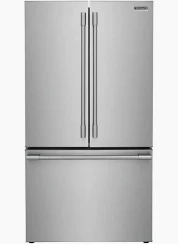
🌡️

Sealed System Repair

Complete Sealed System Services:

  • Refrigerant Recharge
  • Leak Detection & Repair
  • Evaporator Coil Replacement
  • Condenser Coil Replacement
  • Drier/Filter Replacement
  • Capillary Tube Repair
  • Suction Line Service
  • Discharge Line Repair
  • Brazed Joint Repairs
  • Vacuum & Recharge
  • R134a & R600a Systems

Refrigerant Recharge

Refrigerant Recharge restores proper refrigerant charge to LG refrigerators that have lost cooling capacity due to insufficient refrigerant in the sealed system. Refrigerant is the working fluid that absorbs heat inside your refrigerator and releases it outside, enabling the cooling process that keeps your food fresh. When refrigerant levels drop below design specifications—typically due to leaks in the sealed system—cooling performance degrades progressively until the refrigerator can no longer maintain safe food storage temperatures. Proper recharging requires accurate measurement, appropriate refrigerant type, and EPA-certified technicians authorized to handle controlled refrigerant substances.

Before performing any recharge, our technicians must determine why refrigerant was lost. Refrigerators are designed as sealed systems that should never require refrigerant additions during their service life. If refrigerant is low, it escaped somewhere, and simply adding more refrigerant without finding and repairing the leak results in repeated refrigerant loss and recurring cooling problems. Our recharge service begins with leak detection to identify where refrigerant escaped, followed by leak repair, then proper evacuation and recharging procedures that restore the system to factory specifications.

The recharge process itself requires specialized equipment and expertise. After leak repair, we evacuate the sealed system using vacuum pumps to remove air and moisture that would contaminate the refrigerant and degrade system performance. We hold vacuum to verify the system is sealed and monitor for pressure rise that would indicate remaining leaks. Only after confirming system integrity do we add refrigerant, measuring precisely to match the factory-specified charge for your refrigerator model. Both undercharging and overcharging cause performance problems, making accurate measurement essential.

LG refrigerators use various refrigerants depending on model and manufacturing date. Older units typically use R134a, while newer models increasingly use R600a (isobutane), a more environmentally friendly refrigerant with lower global warming potential. These refrigerants are not interchangeable, and proper recharge requires using exactly the refrigerant type specified for your refrigerator. Our Bergen County technicians maintain supplies of both common refrigerant types and understand the handling differences between them, ensuring your LG refrigerator receives correct refrigerant charged to proper levels for optimal cooling performance.

Leak Detection & Repair

Leak Detection and Repair addresses the fundamental problem when LG refrigerators lose refrigerant charge: finding and fixing the breach in the sealed system where refrigerant escapes. Refrigerant leaks can occur at brazed joints, in corroded tubing sections, through damaged evaporator or condenser coils, or at component connections. Because refrigerant escapes as invisible gas and leaks can be extremely small, finding leak locations often proves challenging. Our Bergen County technicians employ multiple detection methods suited to different situations, systematically locating leaks so repairs can permanently restore system integrity.

Electronic leak detectors represent our primary detection tool, using sensors that respond to refrigerant molecules in the air. We systematically scan all sealed system components and joints, listening for detector response indicating refrigerant presence. These instruments can detect remarkably small leaks, though sensitivity varies with conditions including air movement and refrigerant concentration. For very small or intermittent leaks, we may need to add refrigerant or raise system pressure to increase leak flow to detectable levels.

Ultraviolet dye testing provides visual leak identification by adding fluorescent dye to the refrigerant charge. The dye travels with refrigerant through the system and exits at leak points, leaving visible traces that glow under UV light. This method works particularly well for slow leaks where electronic detection proves difficult, and for leaks in areas where detector access is limited. The dye remains in the system, continuing to mark leak locations even if leaks are intermittent or develop after initial testing.

Once located, leak repair depends on the leak's location and cause. Joint leaks can often be repaired by re-brazing with proper technique and filler materials. Corroded tubing sections require cutting out damaged areas and brazing in replacement tubing. Coil leaks may necessitate coil replacement if the leak location cannot be accessed for direct repair. After any leak repair, we pressure test with nitrogen to verify the repair holds before evacuating and recharging with refrigerant. Our thorough approach ensures leak repairs permanently restore system integrity rather than temporarily masking problems that will recur.

Evaporator Coil Replacement

The Evaporator Coil is the component inside your LG refrigerator where heat absorption actually occurs, enabling the cooling that preserves your food. Located behind interior panels in the freezer section of most refrigerator configurations, the evaporator coil contains cold, low-pressure refrigerant that absorbs heat from air circulated across its surfaces. When evaporator coils fail—typically from corrosion causing refrigerant leaks or physical damage restricting airflow—cooling performance suffers dramatically, often requiring coil replacement to restore proper operation.

Evaporator coil problems develop gradually in most cases. Corrosion begins at points where moisture condenses on cold coil surfaces, particularly where defrost water contacts aluminum coil materials. Over years of service, corrosion can penetrate tubing walls, creating leaks that allow refrigerant to escape. Physical damage can occur from ice accumulation during defrost system failures, from items pushed against coils during loading, or from improper handling during other repairs. Frost patterns that differ from normal, reduced cooling capacity, or evidence of refrigerant leak often point toward evaporator coil problems.

Evaporator coil replacement requires significant disassembly to access the coil, typically located behind interior panels and often surrounded by insulation and air ducting. The replacement process involves recovering remaining refrigerant, cutting connections to the existing coil, removing the coil from its mounting, installing the new coil, brazing connections to the sealed system, testing for leaks, evacuating the system, and recharging with proper refrigerant quantity. This extensive process makes evaporator replacement one of the more involved sealed system repairs.

Our Bergen County technicians perform evaporator coil replacements using genuine LG replacement coils that match your refrigerator model's specifications. We ensure proper coil positioning for optimal airflow, verify all connections are leak-free, and restore interior components to proper configuration. After charging, we operate the refrigerator through complete cooling cycles to verify proper evaporator performance, confirm frost patterns are normal, and ensure cabinet temperatures reach appropriate levels throughout all compartments. Proper evaporator replacement restores cooling capacity to factory specifications.

Condenser Coil Replacement

The Condenser Coil releases heat absorbed from inside your LG refrigerator to the surrounding environment, completing the heat transfer cycle that enables refrigeration. Located on the back or bottom of most refrigerator designs, the condenser coil receives hot, high-pressure refrigerant from the compressor and cools it by transferring heat to surrounding air. When condenser coils fail—from corrosion-caused leaks, physical damage, or severe clogging that cannot be cleaned—refrigerator cooling capacity diminishes and may fail entirely, requiring condenser replacement.

Condenser coils face environmental challenges that can shorten their lifespan. Located outside the refrigerator cabinet, they encounter dust, pet hair, kitchen grease, and other airborne contaminants that accumulate on coil surfaces. While routine cleaning prevents most buildup problems, severely neglected coils can become so clogged that airflow restriction prevents adequate heat rejection even after cleaning. Corrosion can develop from accumulated moisture or from chemical exposure in kitchen environments. Physical damage can occur from moving or bumping the refrigerator or from pets or objects impacting exposed coils.

Before recommending condenser replacement, we verify that cleaning cannot restore adequate performance. We also confirm that the condenser itself has failed rather than the condenser fan that circulates air across coil surfaces. Fan failure causes symptoms similar to coil failure but requires much less expensive repair. True condenser coil failures from internal leaks or irreparable physical damage do require replacement to restore proper refrigerator operation.

Condenser replacement involves refrigerant recovery, disconnection and removal of the failed coil, installation of the replacement coil, brazing connections, leak testing, evacuation, and recharging. Access to condenser coils varies by refrigerator model—some are readily accessible while others require significant disassembly. Our Bergen County technicians install genuine LG condenser coils matched to your refrigerator model, ensuring proper fit and heat rejection capacity. We verify proper condenser fan operation with the new coil and confirm the refrigerator achieves normal operating temperatures before completing service.

Drier/Filter Replacement

The Drier/Filter (also called filter-drier) serves crucial protective functions in your LG refrigerator's sealed system, removing moisture and contaminants that could damage the compressor or clog small refrigerant passages. This component contains desiccant materials that absorb any moisture present in the refrigerant circuit, plus filter screens that trap particles. Properly functioning drier/filters prevent the formation of corrosive acids that destroy compressor components and stop debris from blocking capillary tubes or expansion devices. When sealed systems are opened for repair, drier/filter replacement becomes mandatory to restore system protection.

Moisture presents serious threats to sealed system health. Even small amounts of water in the refrigerant circuit can freeze at the metering device, blocking refrigerant flow and stopping cooling. Moisture also reacts with refrigerant and oil at elevated compressor temperatures, forming acids that corrode internal surfaces and eventually cause compressor failure. The drier/filter's desiccant absorbs moisture before it can cause these problems, but desiccant capacity is limited. Saturated driers cannot absorb additional moisture and may even release previously captured moisture back into the system.

Standard practice for sealed system repairs requires installing new drier/filters whenever the system is opened. Exposure to atmospheric humidity during repair introduces moisture that the existing drier may not have capacity to absorb. Even if the repair itself doesn't require drier replacement, prudent practice includes this relatively inexpensive component to ensure system protection. Our sealed system repair procedures always include new drier/filter installation as a fundamental element of proper repair.

Drier/filter problems in sealed systems that haven't been opened suggest either manufacturing issues or contamination from failed compressors. Driers can become restricted if excessive debris accumulates at filter screens, causing symptoms similar to other sealed system restrictions. Drier saturation from excessive moisture exposure compromises protection capabilities. When we suspect drier problems, replacement combined with thorough system evacuation removes moisture and restores protection. Our Bergen County technicians use quality replacement driers sized appropriately for your LG refrigerator's system capacity.

Capillary Tube Repair

The Capillary Tube controls refrigerant flow between the high-pressure condenser side and low-pressure evaporator side of your LG refrigerator's sealed system. This precisely sized narrow tube creates the pressure drop necessary for refrigerant to evaporate in the evaporator coil, enabling heat absorption that cools your refrigerator. Despite their simple appearance, capillary tubes are carefully engineered with specific internal diameters and lengths calculated for each refrigerator model's requirements. Problems with capillary tubes—restrictions, kinks, or damage—disrupt proper refrigerant flow and compromise cooling performance.

Capillary tube restrictions commonly develop from moisture in the system forming ice plugs at the tube inlet or from contaminants clogging the narrow passage. Ice restrictions typically form intermittently, causing symptoms that come and go as ice forms and melts. Contamination restrictions tend to be more consistent but may worsen over time as debris accumulates. Both restriction types prevent proper refrigerant flow, causing poor cooling, extended run times, and characteristic frost patterns that differ from normal operation.

Kinked or damaged capillary tubes result from physical stress during manufacturing, installation, or subsequent service. The thin-walled tubing kinks easily if bent beyond its minimum radius, restricting or completely blocking refrigerant flow. Kinks may occur during shipping, when refrigerators are moved for installation or cleaning, or during unrelated repairs if technicians handle tubing carelessly. Visual inspection often reveals obvious kinks, though damage can occur inside insulation where it's not visible without disassembly.

Capillary tube repair approaches depend on the problem. Restriction from moisture requires thorough system drying through extended evacuation, plus new drier/filter installation to remove remaining moisture. Contamination restrictions may clear with system flushing or may require tube replacement if clogging is severe. Kinked tubes must be replaced—attempting to straighten kinks rarely restores proper flow. Our Bergen County technicians diagnose capillary tube problems through pressure analysis and temperature measurements, then perform appropriate repairs to restore proper refrigerant metering and cooling performance.

Suction Line Service

The Suction Line carries low-pressure refrigerant vapor from the evaporator coil back to the compressor intake, completing the refrigerant circuit that enables continuous cooling operation. This tubing section runs cold during normal operation as it transports refrigerant that has absorbed heat from inside the refrigerator cabinet. Suction line problems—including leaks, restrictions, or insulation damage—affect system efficiency and cooling capacity. Proper suction line service addresses these issues to restore optimal sealed system performance.

Suction lines are particularly vulnerable to corrosion because their cold operating temperatures cause moisture from ambient air to condense on external surfaces. Over years of service, this moisture exposure can corrode tubing walls, eventually creating leaks that allow refrigerant to escape. Corrosion risk is greatest where insulation is damaged or missing, exposing cold tubing surfaces to humid kitchen air. Visual inspection for corrosion, moisture damage, and insulation condition helps identify suction lines at risk of developing leaks.

Insulation on suction lines serves multiple purposes beyond corrosion protection. It prevents condensation from dripping onto other components or the floor beneath the refrigerator. It improves system efficiency by reducing heat gain from surrounding air into the cold refrigerant stream. Damaged or missing insulation should be replaced even if the tubing itself remains sound, restoring both protective functions and operational efficiency.

Suction line repairs might involve sealing small leaks with appropriate brazing techniques, replacing corroded sections with new tubing, or replacing insulation that has degraded. Access to suction lines varies by model, with some lines exposed for easy service and others routed through walls or insulation where access requires significant disassembly. Our Bergen County technicians assess suction line condition during sealed system evaluations and perform necessary service to maintain this critical refrigerant pathway. Proper suction line service preserves system integrity and supports efficient compressor operation.

Discharge Line Repair

The Discharge Line carries hot, high-pressure refrigerant from the compressor outlet to the condenser coil inlet, transporting the thermal energy absorbed from inside your refrigerator to where it can be released to the environment. This tubing section operates at the highest temperatures and pressures in the sealed system, creating conditions that stress materials and joints. Discharge line problems—leaks at joints, corrosion, or physical damage—compromise system integrity and require professional repair to restore proper sealed system operation.

Discharge lines experience thermal cycling stress as they heat rapidly during compressor operation and cool during off cycles. This repeated expansion and contraction can stress brazed joints and tubing connections, potentially causing cracks or loosening that leads to refrigerant leaks. Vibration transmitted from the compressor can work-harden tubing material over time, making it brittle and prone to cracking. These stress-related failures often occur at or near joints and connection points where stress concentrates.

The high operating temperatures of discharge lines can accelerate corrosion processes and degrade surrounding materials. Paint or coatings may deteriorate, insulation may break down, and nearby plastic components can warp or become brittle from heat exposure. While discharge line heat is normal and expected, components installed too close may suffer heat-related damage. Evaluation of discharge line condition includes checking for these secondary effects that might cause problems beyond the discharge line itself.

Discharge line repair typically involves brazing techniques appropriate for the line's operating conditions. Joint repairs must withstand both high pressure and high temperature without leaking. Tubing replacement sections must be properly supported to prevent vibration stress on new joints. Our Bergen County technicians use proper materials and techniques for discharge line repairs, ensuring repairs hold under the demanding conditions this portion of the sealed system experiences. Post-repair pressure testing confirms integrity before the system is evacuated and recharged.

Brazed Joint Repairs

Brazed Joints connect the various tubing sections and components of your LG refrigerator's sealed system, creating leak-tight unions that contain pressurized refrigerant throughout the system's operational lifetime. Quality brazing creates metallurgical bonds between tubing and filler material that can withstand decades of temperature cycling, pressure variations, and vibration. When brazed joints fail—from manufacturing defects, thermal stress, vibration fatigue, or corrosion—refrigerant escapes and cooling performance suffers. Professional brazed joint repair restores sealed system integrity.

Identifying failed brazed joints requires systematic leak detection as described elsewhere, pinpointing exactly where refrigerant escapes. Joints throughout the sealed system can potentially leak: compressor connections, condenser inlet and outlet, drier connections, evaporator connections, and any splice joints from previous repairs. Some joints are readily accessible while others are hidden within insulation or behind panels. Locating the specific failed joint enables targeted repair rather than unnecessary disassembly of sound portions of the system.

Proper brazing repair requires appropriate technique, materials, and equipment. We clean joint surfaces to remove oxidation and contamination that would prevent filler material from bonding properly. We apply flux to protect surfaces from oxidation during heating. We heat joints evenly to proper temperature—hot enough for filler material to flow and bond but not so hot that base materials are damaged. We use filler alloys appropriate for the metals being joined and the operating conditions the joint will experience. Controlled cooling prevents thermal shock that could crack the new joint.

Quality brazing distinguishes professional sealed system repair from amateur attempts. Improperly brazed joints may appear sound initially but fail quickly under operating pressure and temperature conditions. Poor technique can also damage surrounding components, contaminate the sealed system with flux residue or burned materials, or create restrictions that impede refrigerant flow. Our Bergen County technicians have the training and experience to perform brazed joint repairs that last, restoring sealed system integrity with joints that will serve reliably for the remaining life of your LG refrigerator.

Vacuum & Recharge

Vacuum and Recharge procedures are essential steps in any sealed system repair, removing contaminants that would harm system operation and restoring proper refrigerant charge for optimal cooling performance. Vacuum (evacuation) removes air and moisture that entered the sealed system during repair, while recharge introduces the precise quantity of refrigerant specified for your LG refrigerator model. These procedures require specialized equipment, accurate measurement, and proper technique to achieve results that match factory specifications.

Evacuation uses vacuum pumps to remove atmospheric gases and moisture from the sealed system after repairs are complete and the system is verified leak-free. Reducing system pressure to deep vacuum causes moisture to boil at room temperature, transforming liquid water into vapor that can be extracted by the pump. Achieving proper vacuum requires adequate pump capacity, tight connections throughout the evacuation setup, and sufficient time for moisture to vaporize and be removed. We monitor vacuum levels with calibrated gauges, continuing evacuation until specified vacuum depth is reached and holds stable.

Refrigerant charging must be precise to achieve optimal system performance. Too little refrigerant causes reduced cooling capacity, possible compressor overheating, and poor efficiency. Too much refrigerant elevates discharge pressure, stresses the compressor, and can cause liquid refrigerant to reach the compressor intake, potentially causing damage. We measure refrigerant charge using calibrated scales that track exactly how much refrigerant enters the system, stopping at the precise charge specified for your model.

Proper vacuum and recharge procedures conclude sealed system repairs by establishing the internal conditions necessary for reliable, efficient operation. Rush this process and moisture remains to cause future problems, or charge accuracy suffers leading to suboptimal performance. Our Bergen County technicians take the time needed for proper evacuation and charge accurately to factory specifications, ensuring sealed system repairs deliver lasting results that restore your LG refrigerator to full cooling capability.

R134a & R600a Systems

LG refrigerators contain one of two primary refrigerant types: R134a (tetrafluoroethane) found in older models, or R600a (isobutane) increasingly used in newer production. These refrigerants have different properties, environmental characteristics, and handling requirements that affect sealed system service. Understanding which refrigerant your system contains—and the implications for service procedures—ensures repairs maintain proper operation while complying with environmental regulations.

R134a became the dominant refrigerator refrigerant in the 1990s, replacing ozone-depleting R12 that was phased out under international environmental agreements. R134a has zero ozone depletion potential, making it environmentally preferable to its predecessor. However, R134a has relatively high global warming potential, prompting further refrigerant evolution toward alternatives like R600a. Many LG refrigerators produced over the past two decades contain R134a, and parts and service materials for these systems remain widely available.

R600a (isobutane) offers significantly lower global warming potential than R134a, making it the environmentally preferred choice for new refrigerator production. This hydrocarbon refrigerant is highly efficient, enabling excellent cooling performance with minimal energy consumption. However, R600a is mildly flammable, requiring specific handling precautions during service. Refrigerators designed for R600a incorporate safety features and component configurations specific to this refrigerant type. R600a systems require specialized service equipment and cannot be cross-contaminated with other refrigerants.

Our Bergen County technicians are equipped and trained to service both R134a and R600a systems. We identify refrigerant type from system labels before beginning any sealed system work, ensuring we use appropriate procedures, recovery equipment, and replacement refrigerant. Proper refrigerant handling includes recovery of existing refrigerant rather than venting to atmosphere, required by EPA regulations for both refrigerant types. Whether your LG refrigerator contains R134a or R600a, our service maintains environmental compliance while restoring optimal cooling performance.

🔌

Start Components

Start & Run Components:

  • Start Relay Replacement
  • Overload Protector
  • Run Capacitor
  • Start Capacitor
  • PTC Thermistor
  • Compressor Terminal Cover
  • Wiring Harness Repair
  • Terminal Connector Repair
  • Power Cord Replacement
  • Grounding Issues
  • All Electrical Components

Start Relay Replacement

The Start Relay is a critical electrical component that enables your LG refrigerator's compressor to start reliably each time the control system calls for cooling. This small but essential device momentarily energizes the compressor's start winding, providing the extra electrical boost needed to overcome the motor's initial inertia and begin rotation. Once the compressor reaches operating speed—typically within a second or two—the start relay disconnects the start winding, allowing the motor to run efficiently on its run winding alone. When start relays fail, compressors cannot start properly, leaving your refrigerator unable to cool despite all other systems functioning normally.

Start relay failures produce characteristic symptoms that experienced technicians recognize immediately. The most common sign is a clicking sound repeating every few minutes as the compressor attempts to start, runs momentarily, then shuts down when the overload protector trips due to excessive current draw. This cycle repeats indefinitely until the relay is replaced or the refrigerator is unplugged. The clicking results from the overload protector repeatedly cooling, resetting, and allowing another failed start attempt. Without a functioning start relay, the compressor motor cannot develop enough torque to begin rotation, stalling and drawing locked-rotor current that quickly triggers overload protection.

LG refrigerators use various start relay designs depending on the compressor type and model year. Current-sensing relays respond to the high amperage drawn during starting, using electromagnetic force to hold contacts closed until current drops to running levels. PTC (Positive Temperature Coefficient) thermistor devices use a ceramic element that increases resistance when heated by starting current, effectively removing the start winding from the circuit. Solid-state relays use electronic switching without mechanical contacts. Each type has distinct characteristics and failure modes that our technicians understand and can diagnose accurately.

Start relay replacement represents one of the most cost-effective refrigerator repairs when this component is accurately identified as the failure point. The relay itself is relatively inexpensive, and replacement typically takes less than an hour for experienced technicians. Our Bergen County team carries commonly needed LG start relays, enabling same-visit repairs for most start relay failures. We test both the relay and associated components to confirm the relay has failed before replacement, ensuring the new relay will restore normal operation. After installation, we verify the compressor starts and runs properly through multiple cycles before considering the repair complete.

Overload Protector

The Overload Protector serves as an essential safety device that prevents compressor damage from overheating or excessive electrical current. This protective component continuously monitors operating conditions, automatically disconnecting power when temperatures or current levels exceed safe limits. Without overload protection, compressors could overheat to the point of winding insulation failure, bearing damage, or other catastrophic failures. While this protection is vital for compressor longevity, a faulty overload protector can also prevent normal operation by tripping prematurely or failing to reset properly after legitimate protective trips.

Overload protectors typically contain bimetallic elements—strips made of two different metals bonded together—that bend when heated. As temperature rises from current flow or conducted heat from the compressor shell, the bimetallic element bends until it opens electrical contacts, cutting power to the compressor. When the protector cools, the element returns to its original shape, contacts close, and the compressor can attempt to restart. This self-resetting design allows the compressor to resume operation automatically once the overload condition clears, while preventing continuous operation during dangerous conditions.

Overload protector failures can occur in multiple ways, each producing different symptoms. A protector that fails open—with contacts stuck in the disconnected position—prevents the compressor from running at all, even when no actual overload exists. A protector that fails closed—with contacts welded shut—allows the compressor to continue running during genuine overload conditions, potentially causing compressor damage. Protectors that trip prematurely at normal operating temperatures cause intermittent operation where the compressor starts, runs briefly, then stops repeatedly as the protector cycles.

Distinguishing between a failing overload protector and a compressor with genuine overload problems requires careful diagnosis. If we replace a protector that was correctly responding to an actual overload, the new protector will simply trip as well. Our Bergen County technicians evaluate compressor operating conditions—checking refrigerant charge, condenser airflow, ambient temperature, and other factors—before concluding the overload protector itself has failed. When protector replacement is appropriate, we install OEM-equivalent components rated for your specific compressor, ensuring proper protection while restoring reliable operation.

Run Capacitor

The Run Capacitor improves compressor motor efficiency and power factor during continuous operation, helping the motor run smoothly and draw optimal current from your electrical system. Unlike start capacitors that only engage during startup, run capacitors remain in the circuit throughout compressor operation, continuously providing capacitance that helps maintain proper phase relationships in the motor windings. When run capacitors fail, compressor motors may run inefficiently, overheat, draw excessive current, or struggle to maintain proper speed under load.

Run capacitors are constructed to handle continuous duty, with dielectric materials and designs rated for thousands of hours of operation at full voltage. Despite this robust construction, capacitors eventually degrade from electrical stress, heat exposure, and age-related material breakdown. Degradation typically causes gradual loss of capacitance value rather than sudden complete failure, meaning run capacitor problems often develop slowly with gradually worsening symptoms before reaching the point of obvious malfunction.

Symptoms of run capacitor problems include compressor motors that run hot, excessive current draw during operation, unusual motor sounds including humming or buzzing, and in severe cases, motors that struggle to maintain speed or stall under load. Because run capacitors affect efficiency rather than the ability to start, motors with failed run capacitors may still operate—just poorly. This distinguishes run capacitor symptoms from start capacitor or start relay failures where the motor cannot start at all.

Testing run capacitors requires capacitance measurement to verify the component still provides its rated capacitance value. We compare measured values to specifications, noting that capacitors within 10% of rated value typically perform acceptably while those significantly out of tolerance need replacement. Our Bergen County technicians carry commonly needed capacitor values for LG refrigerators, enabling efficient replacement when testing reveals degraded components. Proper run capacitor replacement restores motor efficiency, reduces operating temperatures, and helps ensure reliable long-term compressor operation.

Start Capacitor

The Start Capacitor provides a powerful electrical boost during compressor motor starting, storing energy that supplements the electrical supply during the demanding first moments when the motor must overcome its inertia and begin rotation. Start capacitors deliver significantly higher capacitance than run capacitors but are designed for brief duty—typically only a few seconds per start cycle. The start relay or other switching device removes the start capacitor from the circuit once the motor reaches operating speed. Failed start capacitors prevent compressors from starting even when start relays function properly.

Start capacitors experience extreme electrical stress during each start cycle, charging and discharging high current within seconds. This stress accumulates over thousands of start cycles throughout a refrigerator's service life, eventually degrading the capacitor's dielectric materials and reducing its ability to store adequate energy. Start capacitor failure often occurs suddenly when accumulated degradation finally exceeds the component's tolerance, transforming a compressor that started normally yesterday into one that cannot start today.

Symptoms of start capacitor failure closely resemble start relay failure: the compressor attempts to start but cannot, drawing high current that trips the overload protector. The clicking sound of repeated start attempts followed by overload trips occurs with both failures. Distinguishing between them requires testing both components—a failed capacitor will show open circuit, short circuit, or severely reduced capacitance, while a failed relay will show contact problems or improper switching behavior.

Not all LG refrigerator compressors use start capacitors; many designs rely on start relays alone or use PTC devices that combine starting and protective functions. For compressors that do include start capacitors, replacement with properly rated components is essential when testing reveals failure. Start capacitors must match specifications for both capacitance value and voltage rating—undersized capacitors won't provide adequate starting boost, while improperly rated capacitors may fail prematurely or create safety hazards. Our Bergen County technicians identify correct replacement specifications and install quality components that restore reliable compressor starting.

PTC Thermistor

The PTC Thermistor (Positive Temperature Coefficient) provides an elegant solid-state solution for compressor starting that combines the functions of start relay and start capacitor into a single device. This ceramic semiconductor element has a remarkable property: its electrical resistance increases dramatically when heated. During compressor starting, the cool PTC allows current to flow through the start winding, providing starting torque. As starting current heats the PTC element, its resistance rises rapidly, effectively removing the start winding from the circuit—exactly the same function performed by mechanical start relays but without moving parts.

PTC thermistors offer reliability advantages over mechanical starting devices because they contain no contacts to wear, arc, or become contaminated. The solid-state switching action occurs through the physics of the ceramic material rather than mechanical movement, eliminating common failure modes associated with mechanical relays. This reliability makes PTCs popular in modern refrigerator designs, including many LG models. However, PTCs are not immune to failure—ceramic elements can crack from thermal stress, and material properties can degrade over years of service.

When PTC thermistors fail, they typically fail in ways that prevent compressor starting. A cracked element may not conduct starting current adequately, leaving the compressor unable to start. A degraded element may not increase resistance properly, leaving the start winding energized too long and causing overheating. Some failures cause open-circuit conditions where no current flows at all, while others cause short-circuit conditions that keep the start winding continuously energized. All these failure modes prevent normal compressor operation.

Testing PTC thermistors requires specialized understanding of their temperature-dependent behavior. At room temperature, a healthy PTC shows relatively low resistance that increases dramatically when heated. We test PTCs both at ambient temperature and after warming to verify proper resistance characteristics across the operating range. Failed units show abnormal resistance values, open circuits, or failure to change resistance appropriately with temperature. Our Bergen County technicians stock PTC replacements for common LG compressor applications, restoring solid-state starting reliability when these components fail.

Compressor Terminal Cover

The Compressor Terminal Cover protects the electrical connections where power wires attach to your LG refrigerator's compressor, shielding these critical connections from physical damage, moisture, and accidental contact. This often-overlooked component serves important safety and reliability functions: it prevents electrical shock hazards from exposed terminals, keeps moisture from corroding connections, and protects the start relay and overload protector often mounted directly on or near compressor terminals. Damaged or missing terminal covers compromise both safety and reliability.

Terminal covers experience harsh conditions including heat radiated from the compressor, humidity from the kitchen environment, and potential physical impacts during moving or service. Over time, plastic covers can become brittle from heat exposure, cracking or breaking away and leaving terminals exposed. Improper handling during service—removing covers without proper technique or reinstalling them incorrectly—can also damage these protective components. Some refrigerators may have been serviced previously with terminal covers left off or improperly secured.

The consequences of damaged or missing terminal covers extend beyond aesthetics. Exposed terminals present shock hazards to anyone reaching behind the refrigerator. Moisture intrusion corrodes terminals and wiring, causing high-resistance connections that generate heat and can eventually cause failures. Physical damage to exposed start components is more likely during moving or cleaning. Pest intrusion into the terminal area can cause short circuits and other problems. Proper terminal covers prevent all these issues, which is why we verify cover condition during service and replace damaged covers as needed.

Terminal cover replacement is straightforward but must be done correctly to ensure proper protection. Covers must fit securely, seal against moisture intrusion, and not interfere with wire routing or heat dissipation. Some covers include integral mounting for start relays or overload protectors that must align properly with compressor terminals. Our Bergen County technicians ensure terminal covers are properly installed after any service involving compressor connections, maintaining the safety and protection these components provide.

Wiring Harness Repair

The Wiring Harness in your LG refrigerator connects all electrical components into an integrated system, carrying power and control signals throughout the appliance. These bundled wire assemblies route electricity from the power cord to the control boards, from controllers to compressors and fans, and from sensors back to monitoring circuits. Wiring harness problems—broken conductors, damaged insulation, corroded connections, or abraded wires—can cause a wide range of symptoms from intermittent operation to complete failure. Proper wiring harness repair restores reliable electrical connections throughout the refrigerator.

Wiring harnesses face various stresses that can cause damage over time. Vibration from compressor operation and door closures can fatigue wire conductors, eventually causing breaks. Heat from nearby components can degrade insulation, potentially causing shorts between adjacent wires. Rodent damage, while relatively uncommon, can sever wires or strip insulation. Previous service work may have left wires pinched, stretched, or improperly routed. Sharp edges on sheet metal components can abrade insulation from wires that contact them during vibration.

Diagnosing wiring harness problems requires methodical testing to identify which circuit has failed and where the failure is located. We trace circuits with multimeters, checking continuity through wire runs and measuring resistance at connectors. Intermittent problems can be particularly challenging, requiring manipulation of wiring to locate breaks or shorts that only occur when wires are positioned certain ways. Visual inspection often reveals obvious damage, but hidden breaks within harness bundles may require more extensive testing to locate.

Wiring harness repairs range from simple connector repairs to complete harness replacement depending on damage extent and location. Individual broken wires can often be spliced using proper techniques and materials—crimped or soldered connections with appropriate insulation to prevent shorts and corrosion. Damaged sections can be replaced with matching wire gauge and insulation type. Connectors can be repaired or replaced with compatible components. For extensive damage, complete harness replacement may be more reliable and cost-effective than attempting multiple repairs. Our Bergen County technicians evaluate damage and recommend the repair approach that best serves reliability and value.

Terminal Connector Repair

Terminal Connectors join wiring harness conductors to components and circuit boards throughout your LG refrigerator, enabling the modular assembly and serviceability that modern appliance design requires. These connectors must provide secure, low-resistance electrical connections that withstand vibration, temperature cycling, and occasional disconnection for service. When connectors fail—from corrosion, mechanical damage, or contact wear—electrical continuity suffers, causing symptoms ranging from intermittent operation to complete circuit failure.

Connector problems develop through various mechanisms. Corrosion attacks terminal surfaces when moisture combines with dissimilar metals, creating insulating oxide layers that increase resistance. Heat cycling causes thermal expansion and contraction that can loosen terminal fits over time. Vibration works connectors loose from their mating components. Improper service techniques—yanking on wires rather than properly releasing connector locks, or reconnecting with bent or contaminated terminals—cause immediate or latent damage. Age simply degrades the spring tension in female terminals that grip male pins.

Symptoms of connector problems often appear intermittent because marginal connections may work sometimes and fail at other times depending on temperature, vibration, or subtle position changes. Components may work normally most of the time but fail under certain conditions. Jiggling wires or connectors might temporarily restore operation, pointing toward connection problems. Systematic connector inspection and testing identifies which connections have degraded and need attention.

Terminal connector repairs include cleaning corroded contacts, tightening loose connections, replacing damaged terminals, and in some cases replacing entire connector housings with new components. We use appropriate contact cleaners that remove corrosion without leaving residues that attract new contamination. Replacement terminals must match original specifications for proper fit and current-carrying capacity. Our Bergen County technicians repair connectors to restore reliable electrical connections, addressing the hidden connection problems that cause frustrating intermittent failures in refrigerator electrical systems.

Power Cord Replacement

The Power Cord delivers electricity from your wall outlet to your LG refrigerator, serving as the crucial first link in the electrical chain that powers all refrigerator functions. This heavily insulated cable must safely carry the substantial current required by compressors and other components while withstanding years of flexing as the refrigerator is occasionally moved for cleaning or maintenance. Damaged power cords create safety hazards and can cause operational problems requiring immediate attention and professional replacement.

Power cord damage most commonly occurs at stress points—where the cord exits the refrigerator body, where it enters the plug, and along any length that might be pinched, kinked, or abraded by the refrigerator or nearby objects. Cord jackets can crack from age and heat exposure, potentially exposing inner insulation or conductors. Internal conductors can break from repeated flexing, creating high-resistance connections that generate heat or intermittent power delivery. Plug prongs can become bent, corroded, or loosened from their housing.

Signs of power cord problems include visible damage to cord insulation, burn marks or discoloration at the plug or cord entry point, intermittent refrigerator operation that correlates with cord movement, tripped circuit breakers or GFCI outlets, and warm spots along the cord during operation. Any of these symptoms warrant immediate attention—damaged power cords create fire and shock hazards that should not be ignored. Unplugging the refrigerator pending repair is appropriate when cord damage is suspected.

Power cord replacement must use cords rated for the refrigerator's electrical requirements, with appropriate wire gauge, insulation rating, and plug configuration. Replacement cords for LG refrigerators must match the original specifications to ensure safe, reliable power delivery. Our Bergen County technicians install proper replacement cords with secure connections at both the refrigerator and plug ends, testing to verify safe operation before returning the refrigerator to service. Proper power cord replacement eliminates electrical hazards while restoring reliable power delivery to your refrigerator.

Grounding Issues

Grounding provides essential electrical safety for your LG refrigerator, offering a safe path for fault currents that would otherwise flow through anyone touching the appliance. The grounding conductor connects the refrigerator's metal chassis and other conductive surfaces to the electrical system's ground, which ultimately connects to earth. If an internal fault causes electrical current to reach the chassis, proper grounding allows that current to flow safely to ground, typically tripping the circuit breaker and preventing shock hazards. Compromised grounding leaves users vulnerable to dangerous shocks during fault conditions.

Grounding problems can originate within the refrigerator, in the power cord, at the outlet, or in the building's electrical system. Internal ground connections can become loose or corroded, interrupting the path from chassis to power cord ground wire. Power cord ground conductors can break internally while remaining visually intact. Outlet ground connections can fail from corrosion, loose wiring, or improper installation. Older homes may lack grounded outlets entirely or have outlets with non-functional ground connections. Any break in the grounding chain compromises safety.

Signs of grounding problems include tingling sensations when touching the refrigerator, especially while also touching grounded objects like faucets. Small shocks when contacting the refrigerator suggest fault current flowing through users because the ground path isn't functioning. GFCI outlets that trip when the refrigerator is plugged in may indicate ground faults. These symptoms require immediate attention—continuing to use an improperly grounded refrigerator risks serious electrical shock.

Diagnosing and repairing grounding issues requires systematic testing from the refrigerator chassis through the outlet to the electrical panel. We verify internal ground connections, test power cord continuity, check outlet grounding, and ensure the complete ground path functions properly. Repairs might involve tightening internal connections, replacing power cords with compromised ground conductors, or recommending outlet replacement or electrical service for home wiring issues beyond the refrigerator itself. Our Bergen County technicians ensure your LG refrigerator operates with proper grounding that protects your family from electrical hazards.

All Electrical Components

Beyond the specific electrical components detailed above, your LG refrigerator contains numerous additional electrical parts that enable its various functions. Fan motors circulate air through the refrigerator and across condenser coils. Defrost heaters melt frost from evaporator surfaces. Door switches detect when doors open, controlling lights and adjusting compressor operation. Water inlet valves control ice maker and dispenser water flow. Lights illuminate compartments. Ice maker motors cycle ice production. Dispenser motors and solenoids control ice and water delivery. Each of these components can fail, requiring accurate diagnosis and proper replacement.

Electrical component failures produce symptoms specific to the affected function. Failed evaporator fan motors cause poor air circulation and uneven cooling. Defrost heater failures lead to frost accumulation that blocks airflow. Bad door switches can cause lights to stay on or off inappropriately or affect defrost timing. Water valve problems affect ice production and water dispensing. Burned-out lights leave compartments dark. Ice maker motor failures stop ice production. Dispenser component failures prevent ice or water delivery despite full ice bins and connected water supply.

Diagnosing these various component failures requires understanding how each system operates and testing components appropriately. We verify that control systems are commanding components to operate before concluding components have failed—a motor that doesn't run because it receives no power signal is not a bad motor. We test motors for proper resistance and mechanical freedom, verify valves for coil continuity and mechanical operation, check switches for proper opening and closing, and assess heaters for continuity and appropriate resistance values.

Our Bergen County repair services cover the complete range of electrical components in LG refrigerators. We stock commonly needed parts including fan motors, defrost heaters, door switches, water valves, and other frequently replaced components. For less common parts, we source genuine LG components or quality equivalents appropriate for your specific refrigerator model. Whatever electrical component has failed in your LG refrigerator, our technicians have the diagnostic skills and parts access to restore proper operation efficiently and reliably.

📋

Warranty Compressor Service

LG Warranty Services:

  • 10-Year Linear Compressor Warranty
  • Manufacturer Warranty Claims
  • Extended Warranty Service
  • Home Warranty Claims
  • Warranty Parts Installation
  • Warranty Documentation
  • Claim Filing Assistance
  • Coverage Verification
  • Labor Warranty Coverage
  • Post-Warranty Service
  • Warranty Transfer Support

10-Year Linear Compressor Warranty

LG's 10-Year Linear Compressor Warranty represents one of the most comprehensive compressor warranties in the residential refrigerator industry, reflecting LG's confidence in the durability and reliability of their innovative linear compressor technology. This extended coverage protects the compressor component itself for a full decade from the original purchase date, providing peace of mind that this critical and expensive component is protected well beyond standard warranty periods. Understanding what this warranty covers—and what it doesn't—helps you maximize its value when compressor problems occur.

The 10-year warranty specifically covers the linear compressor against defects in materials and workmanship. If your compressor fails due to manufacturing defects during the warranty period, LG will provide a replacement compressor at no charge for the part itself. This coverage applies to the sealed compressor unit, protecting you from the substantial cost of this premium component. LG's willingness to warrant linear compressors for ten years demonstrates their confidence that these advanced compressors will deliver long-term reliable service under normal operating conditions.

Important limitations apply to this warranty coverage. The warranty covers the compressor part only—labor charges for diagnosis and installation are typically the customer's responsibility after the first year of ownership. The warranty does not cover failures caused by misuse, improper installation, unauthorized modifications, or damage from external causes like power surges or physical impact. Normal wear items, refrigerant, and other sealed system components beyond the compressor itself have different warranty terms. These limitations mean customers often face some costs even when compressor failures occur within the warranty period.

Our Bergen County team helps customers navigate LG's 10-year linear compressor warranty, verifying eligibility, documenting failures properly, and coordinating warranty parts acquisition. We perform the diagnostic work needed to confirm compressor failure, provide documentation LG requires for warranty claims, and install warranty replacement compressors with professional expertise. While labor charges apply, having the compressor itself covered substantially reduces the total cost of warranty-period repairs. We explain warranty terms clearly so you understand coverage before authorizing work, ensuring informed decisions about proceeding with warranty service.

Manufacturer Warranty Claims

Manufacturer Warranty Claims for LG refrigerators require proper documentation, accurate diagnosis, and adherence to LG's warranty claim procedures to ensure coverage is honored. Filing warranty claims correctly protects your rights as a consumer while ensuring LG receives the information they need to authorize covered repairs. Many warranty claims are denied not because the failure isn't covered, but because documentation requirements weren't met or claim procedures weren't followed properly. Our experienced team handles warranty claims routinely, understanding what LG requires and how to present claims for best results.

Warranty claim eligibility begins with proof of purchase establishing when the refrigerator was bought and confirming the warranty period hasn't expired. Original sales receipts, credit card statements, delivery records, or registration documentation can serve this purpose. For compressors covered by the 10-year warranty, purchase date is particularly important since different warranty terms apply during different periods—full parts and labor coverage in year one, parts-only coverage in years two through ten. We help customers locate and organize purchase documentation needed to support claims.

Diagnostic documentation forms the second critical element of successful warranty claims. LG needs to understand what failed and why before authorizing replacement parts. Our diagnostic reports describe symptoms, test results, and findings that establish compressor failure covered by warranty. We photograph relevant conditions and failed components when helpful for claims. This thorough documentation satisfies LG's requirements and reduces the likelihood of claim delays or denials from insufficient information.

Processing warranty claims involves communicating with LG's service and warranty departments, submitting required documentation, obtaining claim authorization, and ordering warranty parts through proper channels. Our Bergen County team manages this process for customers, handling the administrative work that claims require. Once parts arrive, we schedule installation promptly to minimize your time without full refrigerator function. Throughout the process, we keep you informed about claim status, expected timelines, and any issues that arise. Our warranty claim experience helps ensure covered failures receive the warranty service you're entitled to.

Extended Warranty Service

Extended Warranty Service covers LG refrigerator repairs under protection plans purchased separately from the manufacturer's warranty. These plans—offered by LG, retailers, or third-party warranty companies—extend coverage beyond the original warranty period or add benefits like labor coverage that manufacturer warranties don't include. Extended warranties vary widely in their terms, coverage, and claim procedures, requiring service providers to understand and work within each plan's specific requirements.

Extended warranty plans come in many forms with different coverage structures. Some cover all repair costs including parts and labor. Others require deductibles or service fees for each claim. Some cover only specific components while others provide comprehensive coverage. Plan terms may limit coverage to certain failure types, exclude pre-existing conditions, or require preventive maintenance to maintain coverage. Understanding your specific plan's terms helps set realistic expectations about what costs warranty service will and won't cover.

Working with extended warranty companies involves their claim authorization procedures, which often differ from manufacturer warranty processes. Most plans require pre-authorization before repairs begin, meaning we must contact the warranty company, describe the problem, and receive approval before proceeding. Some plans dispatch their own technicians for diagnosis before authorizing repairs by outside service providers. Others have preferred service networks that may affect whether you can use your preferred repair company. We navigate these requirements to facilitate covered repairs under various extended warranty plans.

Our Bergen County service works with extended warranty plans from major providers, understanding their requirements and procedures. When you contact us with an extended warranty-covered refrigerator, we help determine coverage applicability and guide you through the claim initiation process. We provide the diagnostic information warranty companies require, coordinate authorizations, and perform approved repairs according to plan requirements. Our goal is making extended warranty service as smooth as possible, minimizing the administrative burden on customers while ensuring repairs are properly covered.

Home Warranty Claims

Home Warranty Claims involve service contracts that cover home systems and appliances, including refrigerators, as part of broader home protection plans. Home warranties—popular with home buyers and provided by companies like American Home Shield, First American, and many others—typically cover repair or replacement of covered items that fail from normal wear and use. These programs differ from manufacturer warranties and extended appliance warranties in their scope, procedures, and provider networks.

Home warranty plans usually include refrigerators in their appliance coverage, though specific terms vary by plan. Basic plans might cover essential components while premium plans offer more comprehensive coverage. Common exclusions include cosmetic damage, doors and shelving, ice makers and dispensers (sometimes available as add-on coverage), and failures resulting from lack of maintenance. Pre-existing conditions—problems that existed before coverage began—are typically excluded, which can become contentious when failures occur shortly after coverage starts.

Home warranty service procedures typically require homeowners to contact the warranty company to file a claim before any service occurs. The warranty company then dispatches a service provider from their network or authorizes an outside provider to diagnose and repair the problem. Service fees—typically $75 to $125—apply to each claim regardless of repair cost. The warranty company decides whether to repair or replace failed items based on their assessment of cost-effectiveness. These procedures can feel restrictive compared to simply calling a repair service, but they're necessary to access coverage benefits.

Our Bergen County service works with home warranty companies on covered refrigerator repairs. Some warranty companies include us in their provider networks; others authorize us for specific repairs on request. We provide the diagnostic findings and documentation warranty companies need to make coverage decisions. We perform authorized repairs according to warranty company guidelines. When warranty companies decide to replace rather than repair, we can assist with the transition. Our familiarity with home warranty procedures helps Bergen County homeowners receive the covered service their home warranty plans provide.

Warranty Parts Installation

Warranty Parts Installation refers to the professional labor required to install compressors and other components provided under warranty coverage. While manufacturer warranties often cover replacement parts, labor charges after the first year are typically the customer's responsibility. This distinction means customers with warranty-covered compressor failures must still pay for diagnosis, removal of the failed compressor, installation of the replacement, and testing to verify successful repair. Understanding labor charges helps customers budget appropriately for warranty repairs.

Installing warranty compressors requires the same expertise and procedures as installing purchased compressors. Technicians must properly diagnose the failure, recover refrigerant from the existing system, disconnect and remove the failed compressor, install the warranty replacement with proper brazed connections, evacuate the system to remove air and moisture, recharge with correct refrigerant type and quantity, and test thoroughly to verify proper operation. This substantial work justifies labor charges even when the compressor part itself is free.

Labor rates for warranty parts installation vary among service providers and geographic areas. Some companies charge standard labor rates regardless of whether parts are warranty-covered or purchased. Others offer reduced labor rates for warranty installations, recognizing that customers have already paid for the refrigerator and shouldn't bear excessive costs when manufacturer defects cause failures. We believe in fair pricing that reflects the actual work involved without exploiting warranty situations to charge premium rates.

Our Bergen County warranty parts installation service provides professional compressor replacement at competitive labor rates. We work with customers to verify warranty coverage before ordering parts, ensuring warranty benefits apply before incurring labor costs. Our experienced technicians install warranty compressors with the same care and thoroughness as any compressor installation, including complete system evacuation and proper refrigerant charging. Post-installation testing confirms successful repair before we consider the job complete. Quality warranty parts installation ensures your LG refrigerator returns to full performance with a new compressor protected by continued warranty coverage.

Warranty Documentation

Warranty Documentation provides the evidence needed to establish warranty eligibility and support claims for covered repairs. Proper documentation protects your warranty rights by proving purchase date, demonstrating coverage period, and recording the nature of failures. Without adequate documentation, warranty claims may be denied even when failures would otherwise qualify for coverage. Understanding what documentation to keep and how to organize it prevents frustrating situations where covered repairs become out-of-pocket expenses due to missing paperwork.

Essential warranty documentation starts with proof of purchase—the original sales receipt showing the refrigerator model, serial number, purchase date, and retailer. Keep this document permanently; it's the foundation of any warranty claim. If you've misplaced the receipt, credit card statements, delivery records, or retailer records may help establish purchase date. Registering your refrigerator with LG creates a backup record of purchase and may facilitate future warranty claims. Model and serial number labels on the refrigerator itself provide additional reference information.

Service records documenting any repairs performed on the refrigerator can support warranty claims by establishing maintenance history and identifying previous problems. Records showing proper maintenance may counter arguments that failures resulted from neglect. Previous repair records might also reveal patterns suggesting manufacturing defects rather than user-caused problems. We provide documentation for all services we perform, creating records that support future warranty claims if additional problems occur.

When warranty claims become necessary, our diagnostic documentation provides technical evidence supporting the claim. We record symptoms, describe our diagnostic process, report test results, identify failed components, and explain why the failure qualifies for warranty coverage. Photographs document conditions when visual evidence helps support claims. This professional documentation satisfies warranty claim requirements and provides records for your files. Our Bergen County customers receive complete documentation that protects their warranty rights and facilitates claim processing.

Claim Filing Assistance

Claim Filing Assistance helps LG refrigerator owners navigate the warranty claim process, from initial eligibility determination through claim resolution. Filing warranty claims involves understanding coverage terms, gathering required documentation, completing claim forms, communicating with warranty administrators, and following up to ensure claims are processed properly. This administrative work can be frustrating and time-consuming for customers unfamiliar with warranty procedures. Our assistance simplifies the process, improving claim success rates and reducing customer frustration.

We begin claim assistance by reviewing your warranty coverage to determine what's covered and what documentation will be needed. We examine your purchase records to verify the warranty period, identify the specific warranty terms that apply to your failure, and note any conditions or exclusions that might affect coverage. This initial assessment sets realistic expectations about likely coverage before investing time in claim preparation and prevents pursuing claims that clearly won't be honored.

Preparing claim submissions involves organizing documentation, completing required forms, and presenting the claim in ways that clearly demonstrate coverage eligibility. We ensure diagnostic findings are documented in terms warranty administrators understand, connecting symptoms and test results to covered failure categories. We present information completely but concisely, providing what's needed without overwhelming reviewers with extraneous detail. Proper claim preparation increases approval likelihood and speeds processing.

After submission, we track claim status and respond to requests for additional information promptly. Warranty claims sometimes stall because administrators need clarification or additional documentation; quick responses keep claims moving toward resolution. If claims are initially denied, we review denial reasons to determine whether appeals are warranted and assist with appeal submissions when denials appear incorrect. Our Bergen County claim filing assistance helps customers receive the warranty benefits they're entitled to, handling administrative complexity so customers can focus on getting their refrigerators repaired.

Coverage Verification

Coverage Verification confirms whether your LG refrigerator's problem qualifies for warranty coverage before repair work begins, preventing situations where customers expect warranty service but discover after repairs that costs aren't covered. Verification involves checking warranty status, confirming the failure type is covered, and identifying any exclusions or conditions that might affect coverage. This upfront verification enables informed decisions about proceeding with repairs and prevents unwelcome surprises when bills come due.

Warranty status verification confirms the refrigerator is within the applicable warranty period for the component that failed. Different components may have different coverage periods—one year for general parts and labor, ten years for linear compressors, different terms under extended or home warranties. Purchase date documentation establishes when coverage began. Serial number decoding can help estimate manufacturing date when purchase records are unavailable. We verify status before quoting warranty repairs to ensure expectations are accurate.

Failure type verification confirms the specific problem qualifies under warranty terms. Warranties typically cover defects in materials and workmanship—failures resulting from manufacturing issues rather than user actions or external causes. Some failures clearly qualify; others require investigation to determine cause. A compressor that fails from internal defects is covered; one damaged by power surges typically isn't. Our diagnostic work distinguishes between covered failures and excluded situations.

Exclusion review identifies conditions that might void coverage despite otherwise qualifying failures. Warranties typically exclude damage from misuse, improper installation, unauthorized modifications, lack of maintenance, and certain external causes. Evidence of any exclusion conditions could result in claim denial. Our verification process looks for exclusion issues that might affect coverage, alerting customers to potential problems before proceeding. Bergen County customers receive honest coverage assessments that enable informed decisions about warranty claims and repair options.

Labor Warranty Coverage

Labor Warranty Coverage refers to protection that covers the cost of professional service required to diagnose and repair refrigerator problems. LG's manufacturer warranty includes labor coverage during the first year after purchase, meaning both parts and service labor for covered repairs are provided at no charge. After the first year, labor charges become the customer's responsibility even when parts remain under warranty. Understanding labor coverage terms helps customers anticipate costs when warranty service is needed.

First-year labor coverage under LG's manufacturer warranty provides comprehensive protection during the initial ownership period when manufacturing defects most commonly appear. If covered problems occur during this period, LG authorizes repair by approved service providers with both parts and labor costs covered. Customers pay nothing for warranty service during this period, though coverage applies only to defect-related failures rather than user-caused damage or problems excluded from warranty terms.

After the first year, parts-only warranty coverage continues for certain components while labor becomes the customer's expense. The 10-year linear compressor warranty provides free replacement compressors, but customers must pay labor charges for installation. This division makes economic sense—labor costs vary by location and provider, while parts costs are consistent—but creates customer costs that some find surprising. Understanding this division before problems occur helps with financial planning for potential repairs.

Extended warranties and home warranty plans may include labor coverage beyond the manufacturer's first-year term, potentially reducing out-of-pocket costs for later repairs. Plan terms vary widely—some cover labor completely, others require deductibles or co-pays, still others have dollar limits on covered labor per claim or year. We help Bergen County customers understand their labor coverage situation, clearly explaining what warranty service will cost and what options exist for managing repair expenses when labor charges apply.

Post-Warranty Service

Post-Warranty Service addresses repair needs that arise after warranty coverage expires, requiring customers to pay for both parts and labor. While losing warranty protection feels disappointing, post-warranty service doesn't necessarily mean expensive repairs. Professional diagnosis identifies the most cost-effective repair approach, quality parts restore reliable operation, and skilled installation ensures repairs last. Our post-warranty service provides excellent value even when warranty coverage no longer applies.

Evaluating repair versus replacement becomes more relevant for post-warranty refrigerators since repair costs come entirely from the customer's budget. We provide honest assessments of repair costs versus expected refrigerator lifespan, helping customers make informed decisions. A relatively new refrigerator just past warranty is usually worth repairing even for major problems. An older unit with multiple issues might be approaching the point where replacement makes more financial sense. We present options and recommendations without pressure, respecting that customers know their own situations best.

Post-warranty repairs should still use quality parts appropriate for the refrigerator model. While third-party parts may cost less than OEM components, quality varies widely and cheap parts can cause premature failure or additional problems. We use genuine LG parts or quality equivalents that meet original specifications, ensuring repairs restore proper operation and last appropriately. Cutting corners on parts to save money often proves false economy when repairs fail prematurely.

Our Bergen County post-warranty service provides the same professional quality as warranty repairs, with fair pricing that reflects actual costs without warranty-period restrictions on rates or procedures. We stand behind post-warranty repairs with our own service guarantee, providing recourse if problems occur with our work. Many post-warranty customers become long-term clients, returning when appliances need service because they've experienced our quality and value firsthand. Post-warranty service represents the majority of our business, and we're committed to making it a positive experience for Bergen County refrigerator owners.

Warranty Transfer Support

Warranty Transfer Support helps when LG refrigerators change ownership and new owners need to establish warranty eligibility under their ownership. Warranty transfer situations arise when homes are sold with refrigerators included, when used refrigerators are purchased privately, and in various other ownership-change scenarios. Understanding whether warranties transfer, what documentation new owners need, and how to establish coverage under new ownership ensures warranty protection continues benefiting the refrigerator regardless of who owns it.

LG's warranty terms address transferability differently depending on the warranty type. Standard manufacturer warranties typically transfer to new owners automatically, covering whoever owns the refrigerator during the warranty period. The ten-year linear compressor warranty continues protecting the compressor regardless of ownership changes. However, new owners must be able to prove the original purchase date to establish warranty period eligibility. Without documentation showing when the refrigerator was originally purchased, warranty claims may be denied even for units within their coverage period.

Documentation challenges often complicate warranty transfers. Original owners may not provide purchase receipts when selling homes or appliances. New owners may not think to request warranty documentation until problems occur. Missing documentation doesn't necessarily mean lost warranty coverage, but it does complicate proving eligibility. Serial numbers can sometimes establish approximate manufacturing dates. Retailer records or LG registration databases may have purchase information. Creative documentation efforts may establish warranty eligibility when original receipts are unavailable.

Our Bergen County warranty transfer support helps new refrigerator owners establish their warranty status and claim eligibility. We assist with documentation searches, help interpret warranty terms regarding transferability, and advise on best approaches for warranty claims under new ownership. When warranty status is uncertain, we explain options for both warranty claims and self-pay repairs, helping new owners make informed decisions. Whether you've bought a home with an LG refrigerator or purchased a used unit privately, our transfer support helps you understand and potentially benefit from any remaining warranty coverage.

LG Inverter Linear Compressor Repair

Inverter Linear Compressor Services:

  • Inverter Linear Diagnostics
  • Smart Inverter Technology
  • Variable Speed Control
  • Energy Optimization
  • Inverter Board Testing
  • Linear Drive Mechanism
  • Precision Cooling Systems
  • ThinQ Smart Integration
  • Dual Inverter Models
  • Premium Refrigerator Lines
  • Complete System Overhaul

Inverter Linear Diagnostics

Inverter Linear Diagnostics represents the specialized testing and evaluation procedures required to accurately assess LG's most advanced compressor technology. These sophisticated systems combine variable-speed inverter control with linear piston movement, creating complex interactions between electronic controls and mechanical components that demand equally sophisticated diagnostic approaches. Standard refrigerator troubleshooting techniques prove inadequate for inverter linear systems—proper diagnosis requires understanding how these systems operate, recognizing their unique failure patterns, and using specialized equipment designed to evaluate their specific components.

Our diagnostic process for inverter linear compressors begins with comprehensive symptom analysis. We gather detailed information about when problems started, how they manifest, and any patterns in their occurrence. Temperature inconsistencies, unusual sounds, error codes, and changes in energy consumption all provide diagnostic clues. We correlate these symptoms with known failure modes specific to inverter linear technology, developing initial hypotheses about likely problem areas before beginning hands-on testing.

Electronic diagnostics form the core of inverter linear evaluation. We access the refrigerator's diagnostic mode to retrieve stored error codes and real-time operating data. These codes identify specific fault conditions detected by the system's monitoring circuits, from inverter communication failures to compressor lock conditions to temperature sensor problems. We interpret these codes in context, understanding that some codes directly indicate failed components while others point toward system-level problems requiring further investigation.

Physical testing verifies electronic findings and evaluates mechanical condition. We measure inverter output signals to verify proper variable-frequency power generation. We test linear motor coil resistance to check for winding degradation. We assess compressor current draw across speed ranges to identify efficiency losses. We verify temperature sensor accuracy that affects speed control decisions. This comprehensive approach identifies whether problems originate in electronic controls, mechanical components, or the interaction between them. Our Bergen County technicians combine this diagnostic expertise with genuine LG parts access to deliver accurate, effective inverter linear compressor repairs.

Smart Inverter Technology

Smart Inverter Technology in LG refrigerators integrates intelligent control algorithms with variable-speed compressor operation, creating systems that adapt continuously to changing cooling demands. Unlike conventional compressors that simply run at full speed until temperature targets are met, smart inverter systems modulate compressor speed precisely, running faster when more cooling is needed and slower when demand decreases. This intelligent operation delivers significant energy savings while maintaining more stable temperatures that preserve food quality better than cycling systems.

The smart inverter control system monitors multiple inputs to determine appropriate compressor speed at any moment. Temperature sensors throughout the refrigerator report current conditions in refrigerator and freezer compartments. Door switches indicate when doors open, triggering increased cooling to compensate for warm air infiltration. Ambient temperature sensors note environmental conditions that affect cooling load. The control algorithm processes all this information continuously, calculating optimal compressor speed and commanding the inverter accordingly.

Advanced smart inverter systems incorporate learning capabilities that improve performance over time. They note usage patterns—when doors typically open, when groceries are usually added, how cooling demands vary throughout the day—and anticipate needs rather than merely reacting to temperature changes. This predictive operation enables even smoother temperature control and greater efficiency as the system adapts to your household's specific usage patterns.

When smart inverter technology fails, symptoms can include inability to modulate speed properly, running at constant high or low speed regardless of conditions, failure to respond to temperature changes, or complete compressor inoperability. Our Bergen County repair services address all aspects of smart inverter systems, from the control algorithms and sensors that determine speed commands to the power electronics that execute them. We restore the intelligent operation that makes these systems so efficient and effective, returning your refrigerator to its designed performance capabilities.

Variable Speed Control

Variable Speed Control enables LG inverter linear compressors to operate across a wide range of speeds rather than the single speed of conventional compressors. This capability fundamentally changes how refrigerators maintain temperature, replacing the on-off cycling of traditional systems with smooth, continuous operation at whatever speed matches current cooling requirements. Variable speed operation eliminates the energy waste of repeated startups and the temperature fluctuations of cycling operation, delivering superior efficiency and food preservation.

The variable speed system works through sophisticated power electronics that convert standard household electricity into the variable-frequency power needed to drive the compressor at different speeds. The inverter section of the system takes incoming 60 Hz AC power, converts it to DC, then synthesizes new AC power at whatever frequency produces the desired compressor speed. Higher frequencies produce faster compressor operation for greater cooling capacity; lower frequencies slow the compressor when less cooling is needed.

The range of speeds available in LG inverter linear compressors spans from quite slow for minimal cooling needs to maximum speed for rapid temperature recovery. When a refrigerator is first plugged in or when significant warm food is added, the compressor might run near maximum speed to quickly establish or restore target temperatures. During normal operation with doors closed and stable contents, the compressor might run at half speed or less, providing just enough cooling to offset heat infiltration through cabinet insulation. This flexibility enables optimal operation across all conditions.

Variable speed control problems manifest as improper speed selection—running too fast and wasting energy, running too slow and failing to maintain temperatures, or losing the ability to change speed at all. Our diagnostic process identifies the source of speed control problems, whether in the control logic determining appropriate speed, the inverter electronics producing variable-frequency power, or the compressor motor responding to that power. Accurate diagnosis enables targeted repairs that restore proper variable speed operation across the full speed range.

Energy Optimization

Energy Optimization represents one of the primary benefits LG's inverter linear compressor technology delivers, reducing electricity consumption by up to 32% compared to conventional refrigerator compressors. This dramatic efficiency improvement results from multiple factors working together: reduced mechanical friction from the linear drive mechanism, elimination of energy-wasting startup surges through continuous variable-speed operation, and intelligent control systems that match cooling output precisely to actual demand rather than overcooling then shutting off.

The energy savings from inverter linear technology accumulate significantly over a refrigerator's service life. Refrigerators typically operate 24 hours daily for 15 to 20 years, meaning even modest hourly savings become substantial over time. A refrigerator consuming 30% less electricity might save $50 or more annually depending on local electricity rates—potentially $750 to $1,000 over the appliance's lifetime. These savings help offset the premium price of inverter-equipped refrigerators while reducing environmental impact from electricity generation.

When inverter linear systems develop problems, energy efficiency often suffers before complete failure occurs. A compressor running at incorrect speeds—whether too fast or too slow—consumes more energy than properly modulated operation. Inverter electronics with degraded components may waste power as heat rather than delivering it to the compressor efficiently. Control system problems might cause excessive compressor operation that increases consumption. Rising electricity bills without increased usage often indicate developing efficiency problems.

Our repair services restore the energy optimization your LG refrigerator was designed to deliver. We diagnose efficiency losses by comparing actual power consumption to expected values, identifying components or systems that have degraded. We repair or replace affected components using genuine LG parts that match original efficiency specifications. Post-repair testing verifies that restored systems operate with proper efficiency. Bergen County customers can trust our repairs to maintain the energy savings that justified choosing inverter linear technology.

Inverter Board Testing

Inverter Board Testing evaluates the sophisticated electronic control board that converts household electricity into the variable-frequency power driving your LG inverter linear compressor. This critical component contains complex power electronics including large electrolytic capacitors, power transistors (typically IGBTs), gate driver circuits, microprocessor controls, and various protection systems. Failures in any section can cause compressor problems ranging from erratic operation to complete failure, making accurate inverter board testing essential for proper diagnosis.

Our inverter board testing begins with visual inspection for obvious damage including burned components, bulging capacitors, cracked circuit boards, or evidence of electrical arcing. Heat damage often indicates components that were failing before final failure. Physical damage from power surges, moisture intrusion, or manufacturing defects can often be identified visually. This inspection frequently reveals the failure source without extensive electrical testing.

Electrical testing measures key parameters at various board sections. We verify proper input power reaching the board, measure DC bus voltage to check rectifier and capacitor function, test output waveforms to verify the inverter section is generating proper variable-frequency power, and check control signals to confirm the microprocessor is commanding correct operation. Communication testing verifies the inverter board is receiving commands from the main control board and reporting status appropriately.

Interpreting test results requires understanding how inverter boards function and how different failures manifest in measurements. An experienced technician recognizes which abnormal readings indicate board failure versus problems with connected components. Our Bergen County technicians combine proper testing equipment with the knowledge to interpret results accurately, distinguishing inverter board failures from compressor problems, wiring issues, or main control board failures that might produce similar symptoms. Accurate testing prevents unnecessary board replacement when other components have failed and ensures boards are replaced when they have actually failed.

Linear Drive Mechanism

The Linear Drive Mechanism represents the revolutionary mechanical heart of LG's linear compressor technology, using electromagnetic force to move the compression piston in a straight line rather than converting rotary motor motion through mechanical linkages. This elegant engineering solution eliminates the crankshaft, connecting rod, wrist pin, and associated bearings found in conventional reciprocating compressors, reducing friction points from four to just one. The result is a compressor that operates more quietly, more efficiently, and with less mechanical wear than traditional designs.

The linear drive works through electromagnetic principles similar to those in linear motors used for high-speed trains. Precisely wound coils surround the piston, and when electrical current flows through these coils in carefully controlled patterns, magnetic fields push and pull the piston through its compression stroke. The electronic controls that determine coil current timing must coordinate precisely with piston position to generate smooth, efficient motion. Position sensing provides feedback that enables this precise control, creating a closed-loop system that maintains optimal piston movement.

Linear drive mechanism problems can originate in the electromagnetic coils themselves, in the position sensing system, or in the electronic controls coordinating their operation. Coil failures might result from winding shorts, opens, or insulation breakdown. Position sensing failures prevent proper control coordination. Control failures might command improper timing that reduces efficiency or prevents operation entirely. Physical damage to the piston or cylinder assembly can also prevent proper linear motion, causing noise, vibration, or failure.

Diagnosing linear drive problems requires testing both electronic and mechanical aspects of the system. We measure coil resistance and insulation to evaluate electromagnetic components. We verify position sensing signals that guide control timing. We assess mechanical movement for binding, unusual resistance, or noise that might indicate physical problems. This comprehensive evaluation identifies whether linear drive problems are repairable or require compressor replacement. Our Bergen County service provides expert linear drive diagnosis and the genuine LG replacement parts needed to restore proper operation.

Precision Cooling Systems

Precision Cooling Systems in LG inverter linear refrigerators maintain temperatures within remarkably narrow ranges, far tighter than conventional refrigerators that cycle between overcooling and warming. This precise temperature control results from the continuous variable-speed operation that adjusts cooling output moment-by-moment rather than cycling fully on and off. Stable temperatures preserve food quality better, extending freshness of produce, preventing texture changes in frozen foods, and maintaining optimal conditions for all stored items.

The precision cooling system combines multiple technologies working together. Variable-speed compressor operation provides continuously adjustable cooling capacity. Multi-air flow systems distribute cooled air evenly throughout compartments. Multiple temperature sensors monitor conditions at various locations, providing feedback that guides compressor speed adjustments. Dampers regulate airflow between compartments. Control algorithms integrate all this information to maintain target temperatures precisely regardless of door openings, food additions, or ambient temperature changes.

When precision cooling degrades, symptoms include temperature variations that didn't exist before, some areas colder or warmer than others, frost patterns different from normal, or overall temperatures drifting from settings. These symptoms can result from compressor problems that affect cooling capacity or speed control, from air distribution problems that disrupt proper circulation, from sensor failures that provide incorrect temperature information, or from control issues that prevent proper response to actual conditions.

Our repair services restore precision cooling by identifying and addressing whatever component or system has degraded. We verify compressor operation across its speed range, test air distribution components including fans and dampers, evaluate temperature sensors for accuracy, and assess control system function. Repairs target the specific failures identified, using genuine LG components that meet original specifications. Post-repair testing confirms temperatures are maintained precisely as designed, restoring the food preservation benefits that precision cooling provides.

ThinQ Smart Integration

ThinQ Smart Integration connects LG inverter linear refrigerators to your home WiFi network, enabling smartphone app control, remote monitoring, diagnostic notifications, and integration with broader smart home ecosystems. Through the LG ThinQ app, you can check refrigerator temperatures from anywhere, receive alerts when doors are left open, monitor energy consumption, access diagnostic information, and even troubleshoot problems with guided assistance. This connectivity transforms refrigerator ownership by providing visibility and control that wasn't possible with previous appliance generations.

The ThinQ system includes a WiFi communication module within the refrigerator that connects to your home network and communicates with LG's cloud servers. The ThinQ smartphone app accesses these servers to display current status, receive notifications, and send commands to your refrigerator. Voice assistant integration extends control to Amazon Alexa, Google Assistant, and other platforms, enabling voice commands for basic functions. Smart home platform compatibility allows refrigerator integration with broader automation systems.

ThinQ connectivity provides valuable diagnostic capabilities when problems occur. The app can display error codes stored in the refrigerator's memory, often identifying problems before you're aware anything is wrong. Remote diagnostic sessions initiated through the app can gather detailed system data that helps service technicians understand problems before arriving for repair. Some issues might even be resolved remotely through firmware updates or setting adjustments accessed through ThinQ services.

When ThinQ connectivity fails, refrigerator core functions continue normally—cooling isn't affected—but smart features become unavailable. Connectivity problems can originate in the refrigerator's WiFi module, in home network issues, in app configuration, or in LG server connectivity. Our Bergen County service troubleshoots ThinQ problems, distinguishing between refrigerator-side issues we can repair and network or account issues requiring other solutions. We restore smart connectivity when possible, ensuring you can enjoy the convenience and capabilities ThinQ integration provides.

Dual Inverter Models

Dual Inverter Models in LG's lineup employ twin-cylinder compressor designs that combine two compression chambers operating in coordinated tandem under inverter control. This advanced configuration amplifies the benefits of inverter technology, providing greater cooling capacity, smoother operation with reduced vibration, faster temperature recovery, and even more precise cooling modulation than single-cylinder inverter compressors. Dual inverter systems represent LG's premium compressor offering for their most capable refrigerator models.

The dual-cylinder design enables unique operational flexibility. The two cylinders can operate at different speeds simultaneously, allowing finer adjustment of total cooling output than single-cylinder systems. When minimal cooling is needed, one cylinder might run slowly while the other rests. As demand increases, both cylinders engage at appropriate speeds to deliver required capacity. This flexibility means the system rarely operates at extremes, instead finding efficient middle-ground operation that balances performance and energy consumption.

The coordinated operation of dual cylinders reduces vibration compared to single-cylinder designs. By timing compression strokes appropriately, the pressure pulses from the two cylinders can partially cancel each other's vibration effects. This smoother operation reduces noise transmission through the refrigerator cabinet and decreases mechanical stress on mounting systems and connected components. The result is quieter operation and potentially extended component life.

Servicing dual inverter systems requires understanding the additional complexity of coordinated twin-cylinder operation. Problems might affect individual cylinders, shared components like the inverter board, or the synchronization between cylinders. Our diagnostic approach tests each cylinder independently while also evaluating their coordinated function. When problems are identified, we repair using genuine LG components designed for dual inverter systems, restoring the balanced operation that delivers superior cooling performance. Bergen County customers with premium dual inverter refrigerators receive expert service that maintains these sophisticated systems at peak capability.

Premium Refrigerator Lines

LG's Premium Refrigerator Lines showcase inverter linear compressor technology in their most feature-rich, highest-capacity, and most elegantly designed models. These flagship refrigerators combine advanced compressor technology with premium features like InstaView Door-in-Door panels, Craft Ice spherical ice makers, door-mounted ice makers with increased capacity, multi-air flow systems, advanced temperature management, sophisticated digital displays, and seamless smart home integration. Inverter linear compressors provide the reliable, efficient foundation these premium appliances require.

Premium LG refrigerators often feature larger capacities exceeding 25 cubic feet, challenging compressor systems to maintain consistent temperatures across substantial interior volumes. Inverter linear technology proves ideal for these applications, providing ample cooling capacity when needed while modulating down for efficient steady-state operation. The quiet operation of linear compressors suits premium models' positioning in upscale kitchens where appliance noise would be particularly unwelcome. Extended compressor warranties provide confidence appropriate to premium purchase prices.

The specialized features in premium models create unique service considerations. InstaView panels have different thermal characteristics than standard doors. Craft Ice production requires precise temperature control. Door-mounted ice makers need different water supply routing. These features interact with compressor operation and may be affected by compressor problems or affect compressor diagnosis. Technicians servicing premium models must understand these interactions to diagnose and repair effectively.

Our Bergen County service covers LG's complete premium refrigerator lineup, from French door flagships to counter-depth designs to specialty configurations. We understand the unique features and service requirements of each premium model, providing expert care appropriate to your investment. Whether you need routine maintenance, specific feature repair, or compressor service, our technicians deliver quality workmanship that keeps premium refrigerators performing at the level their design intends. Premium appliances deserve premium service, and that's exactly what we provide.

Complete System Overhaul

A Complete System Overhaul addresses refrigerators where multiple components or systems have degraded to the point where comprehensive restoration makes more sense than incremental repairs. This extensive service might include compressor replacement, sealed system repairs, control board replacements, electrical system restoration, air distribution component renewal, and cosmetic repairs—essentially restoring the refrigerator to like-new operating condition. Complete overhauls are appropriate when quality refrigerators have experienced significant wear or damage but remain worth substantial investment in comprehensive repair.

Determining whether complete overhaul is appropriate requires honest evaluation of the refrigerator's overall condition and remaining value. Premium LG refrigerators with inverter linear compressors represent significant investments that may justify extensive repair when core structures remain sound. We assess cabinet condition, door alignment and seal integrity, interior component condition, and aesthetic appearance alongside mechanical and electrical systems. If the overall refrigerator remains fundamentally sound, comprehensive repair can restore years of reliable service at cost below replacement.

Complete overhaul projects require comprehensive planning and coordination. We evaluate all systems, identify everything needing attention, source necessary parts, and schedule sufficient time for thorough work. Sequential repairs proceed logically—sealed system work before electrical connections are finalized, for example. Testing at each stage verifies repairs before proceeding. Final testing evaluates the complete integrated system, confirming all components work together properly.

Our Bergen County team undertakes complete system overhauls when circumstances warrant, providing the expertise and resources these extensive projects require. We discuss findings honestly, present options clearly, and proceed only when overhaul makes genuine sense for the customer's situation. When we undertake comprehensive restoration, we do it right—using quality parts, following proper procedures, and standing behind our work. Customers receive refrigerators restored to reliable, efficient operation with confidence that our thorough approach will deliver lasting results.

📐

LG Linear Compressor Repair

Linear Compressor Services:

  • Linear Piston Mechanism
  • Electromagnetic Drive System
  • Single Friction Point Design
  • High-Efficiency Cooling
  • Noise Reduction Technology
  • Extended Lifespan Models
  • French Door Refrigerators
  • Side-by-Side Models
  • Bottom Freezer Units
  • InstaView Refrigerators
  • All Linear-Equipped Models

Linear Piston Mechanism

The Linear Piston Mechanism forms the revolutionary core of LG's linear compressor technology, replacing the crankshaft-driven reciprocating motion of conventional compressors with direct electromagnetic piston drive. In traditional compressors, a rotating electric motor spins a crankshaft that converts circular motion into the back-and-forth movement needed for refrigerant compression. This mechanical conversion involves bearings, connecting rods, and wrist pins—each creating friction and wear. LG's linear mechanism eliminates these components entirely, using electromagnetic force to move the piston directly in a straight line.

The piston in LG's linear mechanism moves within a precisely machined cylinder, compressing refrigerant on each forward stroke and drawing new refrigerant on each return stroke. Unlike mechanically driven pistons constrained to fixed stroke lengths determined by crankshaft geometry, the linear piston can vary its stroke length based on cooling demands. Shorter strokes for lighter loads, longer strokes when more cooling is needed—this flexibility enables efficiency optimization across all operating conditions.

The reduction in friction points from four to one represents perhaps the most significant advantage of linear piston design. Conventional reciprocating compressors have friction at the motor bearings, crankshaft bearings, connecting rod bearings, and wrist pins. The linear mechanism has friction only where the piston seal contacts the cylinder wall. This dramatic friction reduction translates directly into improved efficiency and reduced mechanical wear, extending compressor life while lowering energy consumption.

Our Bergen County repair services address all aspects of linear piston mechanism function. We diagnose problems affecting piston movement, including electromagnetic drive issues, position sensor failures, and mechanical problems within the piston-cylinder assembly. When internal mechanism failures occur, compressor replacement is typically necessary since the piston mechanism isn't serviceable separately. However, many symptoms attributed to mechanism problems actually originate in the electronic controls or auxiliary components, making accurate diagnosis essential before concluding compressor replacement is required.

Electromagnetic Drive System

The Electromagnetic Drive System in LG linear compressors uses controlled magnetic fields to move the piston without any mechanical connection between the motor and piston. This remarkable engineering achievement applies principles similar to those used in magnetic levitation trains and linear motors, adapted for the precision requirements of refrigerant compression. Electromagnetic coils surrounding the piston create magnetic fields that push and pull the piston through its compression stroke when electrical current flows through them in carefully orchestrated patterns.

The electromagnetic drive requires sophisticated electronic control to coordinate coil energization with piston position. Position sensors track where the piston is located within its stroke at any moment. Control electronics process this position information and command current to the drive coils at precisely the right timing to maintain smooth, efficient piston motion. This closed-loop control system adjusts continuously, compensating for variations in load, temperature, and other factors that affect piston movement.

The absence of mechanical linkages between motor and piston provides several advantages beyond friction reduction. Vibration transmission decreases because there are no rigid connections through which motor vibration can transfer to the piston. Wear-related changes don't progressively alter the motor-to-piston relationship as they would with mechanical connections. The electromagnetic coupling can vary its force dynamically, enabling the variable stroke capability that optimizes efficiency across operating conditions.

Electromagnetic drive failures can involve the drive coils themselves, the position sensing system, the control electronics coordinating their operation, or the power electronics delivering current to the coils. Our diagnostic approach evaluates each element systematically, measuring coil resistance and inductance, verifying position sensor signals, testing control logic, and assessing power delivery. This comprehensive evaluation identifies which electromagnetic drive component has failed, enabling targeted repair or confirming that compressor replacement is necessary when internal failures have occurred.

Single Friction Point Design

The Single Friction Point Design of LG linear compressors represents one of their most important engineering achievements. By eliminating the crankshaft, connecting rod, and associated bearings found in conventional reciprocating compressors, LG reduced internal friction points from four to just one—the piston seal sliding against the cylinder wall. This dramatic friction reduction directly improves efficiency, reduces heat generation, lowers noise, and extends compressor life by minimizing the mechanical wear that eventually causes conventional compressor failure.

The single remaining friction point receives careful engineering attention to minimize its impact. The piston seal uses advanced materials selected for low friction and excellent wear resistance. Lubricating oil circulating with refrigerant maintains an oil film between piston and cylinder wall. Precision manufacturing ensures minimal clearance between piston and cylinder—tight enough to maintain compression efficiency while allowing free movement. These design elements combine to make the single friction point as benign as possible.

The energy savings from reduced friction compound over time. Even small efficiency improvements multiply across thousands of operating hours annually over refrigerator lifespans measured in decades. LG claims their linear compressors consume up to 30% less energy than conventional designs, with reduced friction contributing significantly to this advantage. Lower energy consumption means lower electricity bills and reduced environmental impact from power generation.

Maintaining single friction point performance requires proper refrigerant charge and oil circulation. Low refrigerant conditions can allow oil to accumulate in the evaporator rather than circulating back to the compressor, potentially starving the piston-cylinder interface of lubrication. Contamination in the sealed system can accelerate wear at the friction point. Our sealed system services maintain the conditions necessary for long-term single friction point performance, protecting your investment in efficient linear compressor technology through proper system care.

High-Efficiency Cooling

High-Efficiency Cooling distinguishes LG linear compressor refrigerators from conventional models, delivering powerful cooling capacity while consuming significantly less electricity. This efficiency stems from multiple factors working together: reduced friction losses in the linear mechanism, elimination of startup energy surges through continuous operation, precise matching of cooling output to actual demand, and optimized heat transfer throughout the refrigeration system. The combined effect is refrigerators that keep food at ideal temperatures while minimizing operating costs.

The efficiency advantages of linear compressors prove particularly significant because refrigerators operate continuously, 24 hours daily, 365 days yearly, for service lives often exceeding 15 years. Small percentage improvements in efficiency multiply across these enormous operating hours to produce substantial cumulative savings. A refrigerator consuming 30% less electricity than a conventional model might save $50-100 annually depending on local electricity rates—hundreds of dollars over the appliance's lifetime.

High-efficiency operation requires all system components working properly together. The compressor must deliver its rated efficiency, but condenser coils must reject heat effectively, evaporator coils must absorb heat efficiently, air circulation must distribute cooling properly, and door seals must minimize warm air infiltration. Degradation in any area forces the compressor to work harder, reducing effective efficiency. Routine maintenance addressing all these factors helps maintain the efficiency your LG refrigerator was designed to deliver.

Our Bergen County service helps maintain high-efficiency cooling through comprehensive care that addresses the complete refrigeration system. We clean condenser coils to restore heat rejection capability. We verify air circulation components function properly. We check door seals for gaps allowing warm air entry. We assess refrigerant charge and compressor performance. This whole-system approach maintains efficiency more effectively than focusing on any single component, keeping your LG linear compressor refrigerator operating at peak efficiency throughout its service life.

Noise Reduction Technology

Noise Reduction Technology in LG linear compressors creates refrigerators that operate at remarkably low sound levels, often quieter than ambient room noise in typical homes. This quiet operation results from multiple factors inherent to linear compressor design: smooth electromagnetic piston drive without mechanical impacts, reduced vibration from elimination of rotating components, absence of jarring startup and shutdown cycles, and continuous variable-speed operation that avoids the acoustic signature of cycling compressors.

The electromagnetic drive mechanism operates without the mechanical impacts that create noise in conventional compressors. Crankshaft-driven pistons experience directional changes that create acoustic impulses twice per revolution. The linear piston moves smoothly through its stroke under continuous electromagnetic control, without the mechanical impacts of direction reversal through linkage systems. This smooth motion produces sound measured in decibels rather than the clicking and thumping common with conventional compressors.

Continuous variable-speed operation further reduces noise compared to cycling compressors. Conventional compressors start at full speed with noticeable acoustic signatures, run until temperature targets are met, then shut off—only to repeat the noisy startup when temperatures rise again. Linear compressors instead modulate speed continuously, running quietly at whatever speed maintains proper temperatures without the repeated startups that create noise disturbances.

When noise levels increase in LG linear compressor refrigerators, investigation is warranted. Abnormal sounds may indicate developing problems in the compressor, fans, or other components. Our diagnostic approach identifies noise sources, determining whether sounds indicate imminent failure or simply normal operation that seems different due to environmental factors. When repairs are needed to restore quiet operation, we address root causes rather than just treating symptoms, restoring the peaceful operation that makes linear compressors valuable in modern living spaces.

Extended Lifespan Models

Extended Lifespan Models featuring LG linear compressors are designed for durability that matches or exceeds conventional refrigerator designs despite—or because of—their advanced technology. The simplified mechanical design with fewer moving parts and reduced friction means less wear accumulation over time. LG demonstrates confidence in this durability through 10-year linear compressor warranties, significantly longer than typical appliance coverage, reflecting engineering quality that supports genuinely extended service life.

The longevity advantages of linear compressors derive from their reduced mechanical complexity. Every bearing, bushing, and moving part in conventional compressors represents a potential wear point that can eventually cause failure. Linear compressors eliminate most of these wear points, retaining only the piston-cylinder interface as their primary mechanical wear location. With proper lubrication maintained through normal refrigerant circulation, this single friction point can survive many years of continuous operation.

Supporting components affect overall refrigerator lifespan regardless of compressor technology. Door hinges, gaskets, shelving, ice makers, water dispensers, electronic controls, and other components may require attention over the refrigerator's extended service life. A durable compressor enables worthwhile investment in repairing these other components, knowing the refrigerator's heart will continue performing for years after repairs. Without compressor durability, repairing other components might not make economic sense.

Our Bergen County repair services help LG refrigerator owners maximize the extended lifespan their linear compressors enable. We repair and maintain all refrigerator systems, addressing issues that might otherwise shorten overall service life. We provide honest assessments of repair value, helping customers understand when repairs make sense and when age or condition might favor replacement. For refrigerators where compressor durability supports continued use, we deliver quality repairs that extend service life appropriately.

French Door Refrigerators

French Door Refrigerators represent LG's most popular premium configuration, featuring side-by-side refrigerator doors above a full-width freezer drawer. This elegant design places frequently accessed fresh foods at convenient eye level while providing ample freezer storage in organized pull-out drawers below. Linear compressors power these premium models, providing the efficient, quiet cooling that complements their upscale positioning in modern kitchens.

French door configurations present unique cooling challenges that linear compressors address effectively. Wide refrigerator compartments require consistent air distribution across their full width to prevent temperature variations. The dual-door design means both doors may open frequently, admitting warm air that must be compensated by increased cooling. Variable-speed linear compressors respond smoothly to these changing demands, increasing output when doors open and reducing speed once temperatures stabilize.

Premium French door models often include advanced features that interact with compressor operation. Multi-air flow systems distribute cooling evenly throughout compartments. Humidity-controlled drawers maintain optimal conditions for produce. Door-mounted ice makers require consistent freezer temperatures. InstaView panels may have different thermal characteristics than standard doors. The linear compressor must support all these features while maintaining its efficiency and quiet operation advantages.

Our repair services for LG French door refrigerators address both compressor systems and the sophisticated features these premium models include. We understand how French door-specific components interact with cooling systems and can diagnose problems that affect one area but originate in another. Whether your French door refrigerator needs compressor service, air distribution repairs, feature-specific attention, or comprehensive care, our Bergen County team delivers expert service appropriate to these premium appliances.

Side-by-Side Models

Side-by-Side Models position freezer and refrigerator compartments adjacent to each other, each running the full height of the unit. This classic configuration provides convenient access to both compartments without bending, making it popular with users who access freezer contents frequently. LG's side-by-side lineup includes linear compressor models that deliver efficient, quiet cooling across substantial total volumes while managing the thermal dynamics of two adjacent compartments with very different temperature requirements.

The side-by-side configuration requires careful thermal management where freezer and refrigerator compartments share a common wall. This dividing wall must be heavily insulated to prevent excessive heat transfer from the warmer refrigerator section to the freezer. The linear compressor must generate the low temperatures required for the freezer while the air distribution system prevents overcooling in the adjacent refrigerator section. Dampers between compartments regulate airflow to achieve independent temperature control.

Ice makers and water dispensers commonly featured in side-by-side models add components that interact with the refrigeration system. Ice makers require consistent freezer temperatures and adequate compressor capacity for ice production. Water dispensers need temperature maintenance to deliver properly chilled water. These features depend on reliable compressor operation and can be affected by compressor problems or refrigerant issues.

Our side-by-side refrigerator repair services address the specific characteristics of this configuration. We diagnose problems that might affect both compartments equally or impact them differently. We repair ice maker and water dispenser systems that commonly accompany side-by-side designs. We service linear compressor systems with understanding of how they must perform in side-by-side applications. Bergen County customers with side-by-side LG refrigerators receive expert service tailored to their specific model's design and requirements.

Bottom Freezer Units

Bottom Freezer Units place the freezer compartment below the refrigerator section, positioning frequently accessed fresh foods at convenient eye and waist level. This ergonomic design reduces bending for everyday refrigerator access while providing ample freezer storage in pull-out drawer configurations that make organizing and finding frozen items easier. LG's bottom freezer models with linear compressors combine this practical configuration with efficient, quiet cooling technology.

Bottom freezer placement creates thermal dynamics different from top-freezer or side-by-side configurations. Cold air naturally sinks, which can simplify maintaining low freezer temperatures at the bottom while potentially complicating cooling distribution in the upper refrigerator section. LG's air management systems address these dynamics, using fans and dampers to distribute cooling appropriately throughout both compartments regardless of their relative positions.

The drawer-style freezer compartments common in bottom freezer models have their own service considerations. Drawer slides, gaskets, and the defrost systems serving these compartments may require attention over the refrigerator's service life. Ice makers positioned in bottom freezers operate under different conditions than those in top-freezer or side-by-side configurations, sometimes presenting unique issues.

Our repair services for bottom freezer LG refrigerators address both the linear compressor systems and the configuration-specific components these models include. We service freezer drawer mechanisms, bottom-mount ice makers, air distribution systems designed for bottom freezer airflow patterns, and all other components that make these practical refrigerators function properly. Bergen County customers with bottom freezer models receive expert service from technicians who understand this configuration's specific requirements and characteristics.

InstaView Refrigerators

InstaView Refrigerators feature LG's innovative knock-activated transparent door panel that lets you see inside without opening the door. Two quick knocks illuminate the interior, revealing contents through the glass panel—reducing door openings, minimizing cold air loss, and providing a unique convenience feature. These premium models pair InstaView technology with linear compressors, combining innovative user interface with efficient, quiet cooling technology.

The InstaView panel introduces unique design considerations that affect the overall refrigerator system. The transparent panel has different thermal characteristics than standard insulated door sections, potentially affecting heat gain through the door. LED lighting systems illuminating the interior on knock command require additional electrical components. The knock-sensing technology adds electronic complexity. All these elements must work together with the cooling system to maintain proper temperatures while providing the InstaView experience.

Linear compressors prove particularly well-suited for InstaView models because their quiet operation doesn't distract from the premium experience these refrigerators provide. The continuous variable-speed operation helps compensate for the thermal characteristics of InstaView panels without the noise disruptions that cycling compressors would create. Efficient cooling helps offset any additional heat gain through the transparent panel, maintaining energy-conscious operation.

Our repair services for InstaView refrigerators address both the innovative features and the underlying cooling systems. We troubleshoot InstaView panel issues including knock sensing problems, lighting failures, and panel clarity concerns. We service the linear compressor systems that maintain cooling. We address the interaction between these systems, ensuring repairs restore complete InstaView refrigerator functionality. Bergen County customers with InstaView models receive expert care for all aspects of these innovative premium appliances.

All Linear-Equipped Models

All Linear-Equipped Models in LG's refrigerator lineup share the benefits of linear compressor technology regardless of their specific configuration or feature set. From basic top-freezer models to fully-featured smart French door refrigerators, linear compressor advantages—efficiency, quiet operation, durability—enhance the ownership experience across the entire range. Our Bergen County repair services cover this complete linear compressor lineup, providing expert care for any LG linear compressor refrigerator.

Counter-depth models designed to align flush with kitchen cabinetry incorporate linear compressors in their compact dimensions, providing efficient cooling without the refrigerator protruding into kitchen space. These models often challenge cooling systems with reduced depth while maintaining substantial capacity. Column refrigerators and freezers designed for custom installation bring linear compressor benefits to high-end kitchen designs where separate refrigerator and freezer units are built into cabinetry. Compact models for secondary locations or smaller households use linear compressor technology scaled for their capacity requirements.

Specialty models including Craft Ice refrigerators with spherical ice production, door-mounted ice maker configurations, and other innovative designs all rely on linear compressors for their cooling needs. Each specialty feature creates specific requirements the compressor must support, from precise temperature control for craft ice production to additional cooling capacity for high-volume ice making. Our familiarity with these specialty models ensures appropriate service regardless of configuration.

Whatever LG linear compressor refrigerator you own, our Bergen County team provides knowledgeable, effective service. We maintain access to parts for current production models and many older units. We stay current on new models through ongoing training. We understand the variations in linear compressor implementation across different model lines and production years. This comprehensive expertise ensures every LG linear compressor owner can receive quality repair service that properly addresses their specific refrigerator's needs.

🔄

LG Rotary Compressor Repair

Rotary Compressor Services:

  • Single Rotary Compressors
  • Twin Rotary Compressors
  • Rolling Piston Design
  • Smooth Operation Systems
  • Low Vibration Technology
  • Compact Design Models
  • Air Conditioning Units
  • Dehumidifier Systems
  • Portable AC Units
  • Window AC Compressors
  • All Rotary-Equipped Appliances

Single Rotary Compressors

Single Rotary Compressors represent the fundamental rotary compressor configuration, using one compression chamber with an eccentrically rotating element to compress refrigerant. This design offers excellent efficiency and quiet operation in a compact package, making it ideal for residential air conditioners, refrigerators, dehumidifiers, and other cooling applications where space is limited but reliable performance is essential. LG employs single rotary compressors across their product lineup where this proven technology best meets application requirements.

The single rotary mechanism works through continuous rotation rather than the back-and-forth motion of reciprocating compressors. A cylindrical rotor mounted eccentrically on the motor shaft rolls against the inside of a larger cylinder, creating a crescent-shaped compression chamber that continuously shrinks as the rotor turns. Refrigerant enters through an intake port, becomes trapped in the shrinking chamber, and exits through a discharge port at higher pressure. This smooth continuous process produces less vibration and noise than pulsating reciprocating compression.

Single rotary compressors excel in applications requiring moderate cooling capacity with minimal noise and vibration. Window air conditioners benefit from their compact size and quiet operation. Portable air conditioning units use them because their light weight supports product portability. Dehumidifiers employ single rotary compressors for efficient moisture removal with living-space-appropriate noise levels. Understanding which of your appliances use single rotary technology helps recognize when problems occur.

Our Bergen County repair services address single rotary compressor issues across all LG appliance types. We diagnose problems through systematic testing of electrical systems, refrigerant pressures, and mechanical operation. When auxiliary component failures cause symptoms resembling compressor failure, we repair these less expensive parts before recommending compressor replacement. When internal compressor failures occur, we install genuine LG single rotary compressors matched to your specific appliance model.

Twin Rotary Compressors

Twin Rotary Compressors employ two compression chambers operating in coordinated opposition, effectively doubling compression capacity while reducing the vibration that single rotary compressors produce. This advanced configuration places two rotary compression elements 180 degrees apart on the motor shaft, so their compression strokes occur at opposite points in the rotation cycle. The opposing forces partially cancel each other, resulting in smoother operation with less vibration transmission to mounting structures and surrounding components.

The vibration reduction achieved by twin rotary design makes these compressors particularly suitable for noise-sensitive installations. Central air conditioning systems where compressor vibration could transmit through ductwork benefit from twin rotary smoothness. Premium appliances marketed for quiet operation often specify twin rotary compressors to meet their acoustic performance targets. The reduced vibration also decreases mechanical stress on connecting components, potentially extending overall system life.

Twin rotary compressors require slightly more complex manufacturing than single rotary units, typically commanding premium pricing. The additional compression chamber and precise 180-degree positioning add manufacturing complexity. However, applications where vibration reduction or higher capacity justifies the additional cost benefit significantly from twin rotary technology. LG employs twin rotary compressors in products where these advantages matter to customers.

Servicing twin rotary compressors requires understanding their dual-chamber design and how problems might affect one or both compression elements. Our Bergen County technicians diagnose twin rotary issues through comprehensive testing that evaluates overall compressor performance and identifies whether problems originate in specific components or affect the compressor generally. Repair options parallel those for single rotary units, with auxiliary component service often resolving issues without compressor replacement.

Rolling Piston Design

The Rolling Piston Design describes the specific mechanism LG rotary compressors use to achieve refrigerant compression. Unlike reciprocating pistons that slide back and forth within cylinders, the rolling piston rotates eccentrically within a cylindrical chamber, maintaining continuous contact with the chamber wall through a sliding vane that separates intake and discharge areas. This elegant mechanical arrangement enables smooth, continuous compression without the directional reversals that create noise and vibration in reciprocating designs.

The rolling piston mechanism consists of several precision components working together. The eccentric portion of the motor shaft carries a cylindrical roller that rotates within a larger cylinder. A spring-loaded vane extends from the cylinder wall, maintaining contact with the roller throughout its rotation. As the roller turns, the space between roller and cylinder wall continuously changes, compressing refrigerant trapped between the vane and roller. The continuous nature of this process creates steady refrigerant flow without pressure pulsations.

Wear in rolling piston mechanisms typically occurs at the vane tip where it contacts the rotating roller, at the roller surface, and at the bearing surfaces supporting the eccentric shaft. This wear accumulates gradually over years of operation, eventually degrading compression efficiency or causing mechanical failures. Proper lubrication through oil circulation with the refrigerant minimizes wear rates, making proper refrigerant charge and oil levels essential for long rolling piston life.

When rolling piston wear becomes significant, symptoms include reduced cooling capacity, increased noise, and elevated energy consumption as the compressor works harder to compensate for lost efficiency. Our diagnostic testing identifies rolling piston degradation through pressure measurements and performance evaluation. While internal rolling piston components aren't field-serviceable, understanding their condition helps determine whether compressor replacement is needed versus addressing external issues.

Smooth Operation Systems

Smooth Operation Systems in LG rotary compressors encompass the design elements and technologies that achieve the quiet, vibration-free performance these compressors are known for. From the fundamental rotary mechanism itself to mounting systems, acoustic enclosures, and electronic controls, multiple factors contribute to the smooth operation that makes rotary compressors preferred for noise-sensitive applications. Understanding these systems helps appreciate what rotary technology offers and recognize when smoothness degrades due to developing problems.

The continuous rotary motion at the heart of these compressors inherently produces smoother operation than reciprocating designs. Without pistons reversing direction twice per cycle, rotary compressors avoid the mechanical impacts that create noise and vibration. The steady flow of compressed refrigerant reduces pressure pulsations that can create acoustic signatures in piping systems. Motor designs optimized for smooth rotation minimize electromagnetic vibration sources.

Mounting systems isolate compressor vibration from appliance structures and surrounding environments. Rubber grommets, springs, or specialized vibration isolators prevent vibration transmission to cabinets and adjacent components. Proper mounting maintains this isolation throughout compressor life; degraded mounts can allow increased vibration transmission even when the compressor itself operates normally. Acoustic enclosures around some compressor installations provide additional sound dampening.

Changes in operation smoothness often signal developing problems requiring attention. Increased vibration might indicate worn internal components, degraded mounting systems, or refrigerant charge issues affecting compressor balance. New or changed sounds warrant investigation to identify their source before problems worsen. Our Bergen County service evaluates all aspects of smooth operation systems, addressing issues whether they originate in the compressor, mounting, or associated components.

Low Vibration Technology

Low Vibration Technology in LG rotary compressors addresses the mechanical vibrations inherent to any rotating machinery, minimizing their transmission to surrounding structures and their contribution to operating noise. Multiple engineering approaches work together to achieve the remarkably low vibration levels that distinguish rotary compressors from noisier alternatives. This technology matters particularly in residential applications where compressor vibration affects living comfort.

Precision balancing of rotating components reduces vibration at its source. Motor rotors, eccentric shafts, and rolling pistons must be carefully balanced to minimize the centrifugal forces that cause vibration during rotation. Manufacturing processes include balancing operations that add or remove material to achieve specified balance tolerances. This precision manufacturing adds cost but delivers vibration performance that justifies the investment in noise-sensitive applications.

Internal mounting and suspension systems within the compressor shell isolate the compression mechanism from the outer housing. The motor and compression elements may be suspended on springs or elastomeric mounts within the sealed shell, preventing vibration from reaching the shell surface where it could radiate as noise or transmit to mounting points. These internal isolation systems complement external mounting approaches.

Low vibration performance can degrade over time as components wear and balancing changes. Internal bearing wear allows increased shaft movement that creates vibration. Degraded internal mounts transmit vibration more readily. External mounting deterioration allows vibration that was previously isolated to reach surrounding structures. Our diagnostic approach evaluates vibration sources when customers report increased noise or vibration, determining whether compressor replacement or external repairs can restore quiet operation.

Compact Design Models

Compact Design Models leverage the inherent space efficiency of rotary compressor technology to fit into appliances where larger compressors would be impractical. The rotary mechanism achieves given compression capacity in smaller packages than equivalent reciprocating designs, enabling slimmer, lighter, more portable cooling products without sacrificing performance. This compactness particularly benefits window air conditioners, portable cooling units, and space-constrained refrigerator configurations.

The space efficiency of rotary compressors results from their mechanism's geometry. Reciprocating compressors need cylinder length to accommodate piston stroke plus connecting rod length; rotary compressors achieve their compression in the compact space around the rotating element. Motor integration within the sealed shell adds no length for external motor mounting. The resulting packages pack significant cooling capacity into remarkably small dimensions.

Weight savings accompany compact dimensions. Smaller compressor packages use less material, reducing overall appliance weight. This weight reduction matters particularly for portable products that users must move regularly and for window air conditioners that install in window frames not designed for heavy loads. The combination of compact size and light weight enables product designs that wouldn't be practical with bulkier, heavier compressor technologies.

Servicing compact design models requires accessing compressors in tight spaces and handling smaller components. Our Bergen County technicians work effectively with compact rotary installations, diagnosing problems accurately despite limited access and performing repairs in confined spaces when needed. We maintain access to compact rotary replacement compressors for LG products, ensuring these space-efficient appliances can be restored to service when compressor replacement becomes necessary.

Air Conditioning Units

Air Conditioning Units represent one of the primary applications for LG rotary compressor technology. From window units to portable air conditioners to central system components, rotary compressors provide the efficient, quiet cooling that residential and light commercial air conditioning applications demand. The smooth operation, compact size, and energy efficiency of rotary technology make it ideal for creating comfortable indoor environments during hot weather.

Window air conditioners benefit particularly from rotary compressor characteristics. The compact package fits within window-frame mounting constraints. Low noise operation suits bedroom and living space installation. Energy efficiency reduces operating costs during heavy summer use. The continuous compression provides steady cooling without the capacity fluctuations some reciprocating units produce. LG's window air conditioner lineup relies heavily on rotary compressor technology.

Portable air conditioning units also employ rotary compressors for their combination of compact size and light weight. Users moving portable units between rooms or storing them seasonally appreciate reduced weight. The quiet operation suits the close proximity to users that portable unit placement often involves. Despite their portability focus, these units need reliable cooling performance that properly functioning rotary compressors deliver.

Our air conditioning repair services address rotary compressor issues affecting all LG air conditioning products. We diagnose cooling problems through systematic evaluation of compressor operation, refrigerant charge, airflow, and electrical systems. When compressor problems are identified, we repair auxiliary components where possible or install genuine LG replacement compressors when internal failures have occurred. Bergen County customers receive expert air conditioning service that restores comfortable cooling.

Dehumidifier Systems

Dehumidifier Systems use rotary compressor technology to remove excess moisture from indoor air, protecting homes from humidity damage and improving comfort during humid conditions. The refrigeration cycle in dehumidifiers cools air until moisture condenses, then reheats the air before returning it to the room. Rotary compressors provide the efficient, quiet operation that makes dehumidifiers practical for continuous operation in living spaces.

The dehumidification process requires reliable compressor operation to maintain the cold evaporator surfaces where moisture condenses. The compressor must run frequently or continuously during humid conditions to achieve target humidity levels. Rotary compressor efficiency keeps energy costs reasonable despite heavy operation. Quiet performance allows placement in living areas where noise would be intrusive.

LG dehumidifiers incorporate rotary compressors sized appropriately for their moisture removal capacity. Larger units for basements or whole-house dehumidification use higher-capacity compressors; smaller portable units for individual rooms use compact compressors matched to their requirements. Regardless of size, the rotary technology provides the efficient, quiet operation that dehumidifier applications demand.

Dehumidifier compressor problems typically manifest as reduced moisture removal, unusual noise during operation, or complete failure to operate. Our Bergen County repair services diagnose dehumidifier issues, determining whether problems originate in the compressor, refrigerant system, air handling, controls, or drainage. When rotary compressor service is needed, we provide the same quality repair work we deliver for all LG rotary compressor applications.

Portable AC Units

Portable AC Units represent a popular cooling solution for renters, supplemental cooling needs, and situations where window or central air conditioning isn't feasible. These mobile cooling appliances rely on rotary compressors for the compact size and light weight that make portability practical. LG's portable air conditioner lineup employs rotary technology to deliver effective cooling in packages users can move and store conveniently.

Portability places specific demands on compressors that rotary technology addresses well. Weight matters when users must lift units through doorways or into storage. Compact dimensions allow fitting through standard doorways and storing in closets or corners. Durable construction must survive the handling that portability involves—movements, bumps, and varied orientations during transport and storage. Rotary compressors meet these requirements while maintaining cooling performance.

Portable AC operation often differs from permanent installations. Units may sit unused for months then operate intensively during heat waves. Movement between rooms exposes them to varied conditions. The exhaust hose arrangement creates unique back-pressure conditions. Rotary compressors handle these varied demands reliably when properly maintained, delivering cooling whenever needed regardless of intermittent use patterns.

Portable AC repair may involve unique considerations related to their mobile nature. Handling during moves can damage components or disrupt refrigerant charge. Storage in extreme temperatures can stress sealed systems. Our Bergen County service addresses portable air conditioner issues with understanding of these product-specific factors. We restore portable AC functionality whether problems stem from normal wear, handling damage, or other causes.

Window AC Compressors

Window AC Compressors provide the cooling power for the popular window-mounted air conditioning units found in millions of homes and apartments. These compact rotary compressors pack significant cooling capacity into packages that fit within the dimensional constraints window installations impose. LG's window air conditioner lineup depends on reliable rotary compressors to deliver comfortable cooling throughout hot summer months.

Window air conditioner design constrains compressor packaging tightly. The unit must fit within window frame openings while leaving room for evaporator and condenser coils, fans, controls, and housing. Rotary compressor compactness enables fitting adequate cooling capacity within these tight constraints. The relatively light weight keeps total unit weight within limits window frames can support safely.

Operating conditions for window AC compressors can be demanding. The outdoor portion of the unit faces weather exposure including rain, temperature extremes, and solar heating. Summer peak cooling demand often coincides with highest outdoor temperatures when heat rejection is most challenging. The compressor must perform reliably despite these conditions throughout seasonal operation cycles.

Window AC compressor repair often occurs at season beginnings when units are turned on after winter storage. Problems that developed during operation last season or during storage may only become apparent when cooling is first needed. Our Bergen County service addresses window air conditioner issues promptly, understanding that customers need cooling during hot weather. We diagnose rotary compressor conditions accurately and perform necessary repairs to restore reliable operation.

All Rotary-Equipped Appliances

All Rotary-Equipped Appliances from LG benefit from our comprehensive understanding of rotary compressor technology and our commitment to quality repair service. Whether your LG product is a window air conditioner, portable cooling unit, dehumidifier, or refrigerator model using rotary compressor technology, our Bergen County team provides expert diagnosis and repair that restores proper operation. We maintain the knowledge, tools, and parts access to service the complete range of LG rotary compressor applications.

Our rotary compressor expertise extends across product categories because the fundamental technology remains consistent regardless of application. The same rotary mechanism principles apply whether the compressor cools room air, removes humidity, or maintains refrigerator temperatures. Diagnostic approaches, failure modes, and repair techniques share common foundations across applications. This cross-product expertise enables efficient, effective service for any LG rotary compressor product.

We maintain access to genuine LG rotary compressors for current production models and many older units. When compressor replacement becomes necessary, we source compressors matched to your specific appliance model, ensuring proper fit and performance. Installation follows proper procedures including refrigerant handling, system evacuation, and accurate charging. Our comprehensive approach ensures replacement compressors perform as designed.

Bergen County customers with any LG rotary compressor appliance can depend on our knowledgeable, professional service. We diagnose problems accurately, explain findings clearly, recommend cost-effective solutions, and perform quality repairs. Whether your rotary-equipped appliance needs minor attention or major repair, we deliver the expert service that keeps LG products operating reliably for years of continued use.

⚙️

LG Reciprocating Compressor Repair

Reciprocating Compressor Services:

  • Piston-Cylinder Systems
  • Crankshaft Mechanisms
  • Valve Repair & Replacement
  • High Compression Power
  • Commercial Refrigeration
  • Freezer Compressors
  • Ice Machine Compressors
  • Standard Refrigerators
  • Heavy-Duty Applications
  • Multi-Cylinder Models
  • All Reciprocating Systems

Piston-Cylinder Systems

The Piston-Cylinder System forms the fundamental compression mechanism in LG reciprocating compressors, using the same basic principle that powers automotive engines but operating in reverse to compress refrigerant rather than burn fuel. A precisely machined piston moves up and down within a close-fitting cylinder, alternately drawing refrigerant in and compressing it to higher pressure. This time-tested technology has powered refrigeration equipment for over a century, refined through countless engineering improvements to achieve the reliability and efficiency modern LG appliances require.

The piston-cylinder relationship demands exacting tolerances for effective compression. The piston must fit closely enough to minimize refrigerant leakage past the piston rings during compression, yet freely enough to avoid excessive friction that would waste energy and accelerate wear. Cylinder walls receive precision machining and surface treatments to optimize this balance. Piston rings, typically made of specialized polymers or metals, provide the final seal between piston and cylinder while accommodating the slight clearance needed for free movement.

Wear in piston-cylinder systems occurs gradually over years of operation. Piston rings eventually lose their sealing effectiveness, allowing increased refrigerant bypass during compression. Cylinder walls may wear unevenly, creating paths for refrigerant leakage. These changes manifest as gradual efficiency decline—the compressor runs longer to achieve the same cooling, or temperatures drift higher despite normal operation. Significant wear may require compressor replacement since piston-cylinder reconditioning typically isn't practical for residential equipment.

Our Bergen County diagnostics assess piston-cylinder condition through performance testing that reveals efficiency losses suggesting internal wear. We measure suction and discharge pressures, correlating findings with expected values for healthy compressors. Current draw testing indicates how hard the motor works to drive the piston. These diagnostic approaches identify piston-cylinder degradation, informing repair-versus-replacement decisions based on objective performance evaluation.

Crankshaft Mechanisms

The Crankshaft Mechanism converts the electric motor's rotational motion into the reciprocating motion needed to drive compressor pistons. This mechanical linkage represents the key distinction between reciprocating and linear compressor designs—where linear compressors use electromagnetic force for direct piston drive, reciprocating compressors rely on the crankshaft's eccentric geometry to transform circular rotation into back-and-forth piston movement. The crankshaft's robust construction must withstand continuous operation for years while maintaining precise dimensional relationships.

The crankshaft assembly includes the main shaft supported by bearings in the compressor housing, offset crankpins to which connecting rods attach, and counterweights that balance the rotating assembly to minimize vibration. The motor rotor typically mounts directly on the crankshaft, transmitting motor torque without intermediate gearing. This integrated design minimizes complexity while providing the rugged construction refrigeration applications require.

Crankshaft bearing wear represents a common failure mode in aging reciprocating compressors. As bearing surfaces degrade, clearances increase, allowing the crankshaft to move beyond design limits. This excess movement creates noise, increases vibration, and can eventually cause catastrophic failure if bearing surfaces contact directly. Oil circulation through bearings provides lubrication that slows wear; refrigerant charge problems that affect oil distribution can accelerate bearing deterioration.

Diagnosing crankshaft mechanism problems involves evaluating compressor noise, vibration, and operating parameters for signs of bearing wear or other mechanical degradation. Increased noise levels, particularly metallic sounds from the compressor, often indicate bearing problems. Our Bergen County technicians recognize these symptoms and can assess whether problems warrant compressor replacement or whether other repairs might address the underlying issues.

Valve Repair & Replacement

Valve Repair and Replacement addresses the critical components that control refrigerant flow into and out of reciprocating compressor cylinders. Intake valves open to admit low-pressure refrigerant during the piston's downward stroke; discharge valves open to release compressed refrigerant during the upward stroke. These valves must open and close precisely timed with piston position, seating completely to prevent backflow that would waste compression energy. Valve problems significantly impact compressor efficiency and cooling performance.

Compressor valves are typically thin metal discs or reeds that flex open under pressure differential and spring closed when pressure reverses. This simple passive design requires no external actuation—valves respond automatically to pressure conditions created by piston movement. However, the constant flexing and impact of valve seating creates fatigue stress that eventually causes valve failure. Carbon or debris accumulation on valve surfaces can prevent complete seating, causing efficiency losses even before valve failure.

Valve problems manifest as reduced cooling capacity, extended compressor run times, or complete cooling failure. A stuck-open valve allows refrigerant to flow backward through the valve during the compression stroke, reducing effective compression. A stuck-closed valve prevents refrigerant flow entirely, potentially causing the compressor to overheat from attempting to compress against a blocked system. Broken valve pieces can cause severe internal damage if they enter the cylinder.

Some reciprocating compressor designs allow valve service without complete compressor replacement, though accessibility varies by model. Our Bergen County technicians assess valve condition as part of compressor diagnosis, determining whether valve problems exist and evaluating repair options. For compressors where valve service is practical, this repair can restore operation at lower cost than full replacement. When internal access is limited, compressor replacement may be the only practical solution.

High Compression Power

High Compression Power distinguishes reciprocating compressors in applications requiring substantial pressure differential between suction and discharge. The positive displacement action of pistons moving within cylinders generates compression ratios exceeding what some alternative technologies achieve, making reciprocating compressors ideal for freezers, ice machines, and other equipment requiring very low temperatures. This compression capability enables effective cooling even in demanding conditions.

Achieving low temperatures requires compressing refrigerant to high pressures so it condenses despite warm ambient conditions, then expanding it to very low pressures where it evaporates at correspondingly low temperatures. The pressure ratio between discharge and suction determines how cold the evaporator can become. Reciprocating compressors generate high pressure ratios efficiently because each piston stroke compresses a trapped refrigerant charge completely, achieving discharge pressures limited only by motor power and mechanical strength.

High compression applications stress compressor components more than moderate-duty operation. Elevated discharge pressures create higher mechanical loads on pistons, bearings, and valves. Compression heating raises discharge temperatures that stress motor windings and lubricating oil. These demands require robust compressor construction and proper operating conditions to maintain reliability. Dirty condensers, excessive ambient temperatures, or overcharged systems that elevate pressures beyond design limits accelerate wear and risk failure.

Our Bergen County service for high compression applications ensures these demanding systems receive proper attention. We verify operating pressures remain within acceptable ranges, address conditions that elevate pressures unnecessarily, and maintain the system health that supports reliable high compression operation. When compressor problems occur in freezers or other high compression equipment, we provide diagnosis and repair that restores proper function.

Commercial Refrigeration

Commercial Refrigeration applications rely heavily on reciprocating compressor technology for its proven reliability, high compression capability, and serviceability. Restaurant refrigerators and freezers, supermarket display cases, walk-in coolers, and various food service equipment use reciprocating compressors matched to their specific cooling requirements. LG's commercial refrigeration products employ this established technology where its advantages benefit demanding business applications.

Commercial refrigeration demands differ from residential applications in several important ways. Equipment operates longer hours, often continuously, accumulating run time much faster than household appliances. Temperature requirements may be stricter for food safety compliance. Reliability directly affects business operations—equipment failure can mean spoiled inventory and lost revenue. These demands favor reciprocating compressor characteristics: proven reliability, available parts and service, and capability for demanding duty cycles.

Serviceability matters particularly in commercial contexts where minimizing downtime affects business operations. Reciprocating compressor technology's long history means technicians understand these systems well, parts availability is excellent, and repair procedures are well established. Some commercial reciprocating compressors offer accessible valve plates, replaceable internal components, and modular construction that facilitates field repair—advantages that reduce service time and repair costs.

Our Bergen County commercial refrigeration service understands the urgency business customers face when equipment fails. We respond promptly to commercial service calls, diagnose problems accurately, and perform repairs efficiently to minimize business disruption. Our access to commercial-grade replacement compressors and components ensures we can service demanding commercial applications alongside residential equipment.

Freezer Compressors

Freezer Compressors operate under more demanding conditions than refrigerator compressors, generating the low evaporator temperatures needed to maintain contents at 0°F or below. This temperature requirement demands higher compression ratios that reciprocating compressor technology handles well. LG freezers—whether standalone chest or upright units, refrigerator-freezer combination freezer sections, or commercial freezer equipment—rely on appropriately specified reciprocating compressors designed for the rigors of freezer service.

The thermodynamic demands of freezer operation stress compressors differently than refrigerator applications. Lower evaporator temperatures mean refrigerant enters the compressor at lower pressure and density, affecting oil circulation and motor cooling. Higher compression ratios generate more heat during compression, elevating discharge temperatures that stress components. These conditions require compressor designs optimized for freezer duty, with appropriate motor sizing, enhanced cooling, and materials selected for low-temperature operation.

Freezer compressor problems create particularly urgent situations since frozen food begins thawing quickly when cooling fails. Contents may become unsafe or suffer quality degradation within hours depending on initial temperature and ambient conditions. This urgency motivates prompt diagnosis and repair when freezer compressor problems occur. Having service available when needed, with proper parts and expertise, minimizes food loss from freezer failures.

Our Bergen County freezer compressor service responds to the urgency these situations demand. We prioritize freezer calls understanding the stakes involved. Our diagnostic capabilities quickly identify whether compressor replacement is needed versus more economical repairs. We maintain access to freezer-appropriate replacement compressors for LG equipment, enabling rapid restoration of freezer function when replacement is required.

Ice Machine Compressors

Ice Machine Compressors power the refrigeration systems that produce ice for residential, commercial, and specialty applications. Whether integrated into LG refrigerators as ice-making features or serving standalone ice production equipment, these compressors must deliver reliable cooling for consistent ice production. The intermittent duty cycle of ice making, with harvest phases interrupting continuous cooling, creates unique demands that reciprocating compressors handle reliably.

Ice production requires maintaining evaporator temperatures cold enough to freeze water quickly while the compressor handles the thermal load of continuously converting water to ice. During harvest cycles, the evaporator warms briefly to release ice before resuming freeze operation. This cycling creates temperature and pressure variations that compressors must accommodate without faltering. Reliable compressor operation ensures consistent ice production throughout demanding usage periods.

LG's innovative Craft Ice feature, producing large spherical ice in certain refrigerator models, requires precise compressor operation to maintain the specific conditions this specialized ice-making process demands. The unique geometry and freezing requirements of craft ice depend on reliable refrigeration that reciprocating compressor technology provides. Problems affecting compressor performance compromise craft ice quality and production rate.

Our ice machine compressor service addresses both integrated refrigerator ice makers and standalone ice production equipment. We diagnose ice production problems to determine whether issues originate in the compressor, the ice-making mechanism, the water system, or controls. When compressor problems are identified, we provide repair or replacement service that restores reliable ice production for Bergen County customers.

Standard Refrigerators

Standard Refrigerators with reciprocating compressors represent the traditional configuration that has reliably preserved food in countless homes for generations. While LG's premium models feature advanced linear and inverter linear compressor technology, reciprocating compressors continue serving applications where their proven reliability and cost-effectiveness meet customer needs. Understanding reciprocating technology helps recognize problems and appreciate repair options when these compressors require service.

Reciprocating compressors in standard refrigerators typically operate in simple on-off cycling controlled by thermostats. When cabinet temperature rises above setpoint, the thermostat signals the compressor to start, running until temperature drops to the cutoff point. This cycling continues automatically, maintaining average temperatures within acceptable ranges. The straightforward control approach requires fewer electronic components than inverter systems, contributing to the simplicity and reliability these refrigerators offer.

The cycling operation of reciprocating compressors creates the characteristic startup sounds and temperature fluctuations that some users find noticeable. Each startup draws surge current and produces acoustic signature as the compressor builds speed. Temperature varies as the compressor alternates between on and off states. These characteristics differ from the continuous, variable-speed operation of inverter models, representing tradeoffs between technologies rather than problems requiring repair.

Our service for standard refrigerators with reciprocating compressors draws on extensive experience with this established technology. We diagnose problems accurately, distinguishing normal operating characteristics from genuine malfunctions. We repair auxiliary component failures that often cause symptoms resembling compressor problems. When compressor replacement is needed, we install appropriate units at competitive prices. Bergen County customers with standard reciprocating refrigerators receive knowledgeable service appropriate to their equipment.

Heavy-Duty Applications

Heavy-Duty Applications demand compressor performance that reciprocating technology delivers reliably. Whether in commercial environments with demanding usage patterns, in equipment operating under challenging conditions, or in applications requiring sustained high performance, reciprocating compressors prove themselves through robust construction and proven capability. LG specifies reciprocating compressors for applications where these strengths matter most.

Heavy-duty operation challenges compressors through extended run times, elevated ambient temperatures, demanding thermal loads, or combinations of stressful conditions. Restaurant kitchens with high heat loads, outdoor installations facing temperature extremes, or equipment serving heavy usage all test compressor durability. Reciprocating compressor construction—with sturdy crankshafts, robust bearings, and proven mechanical designs—handles these demands through sheer mechanical strength where lighter designs might fail.

Proper maintenance becomes particularly important in heavy-duty applications where compressors work harder and accumulate run time faster. Condenser cleaning maintains heat rejection efficiency that keeps operating pressures manageable. Refrigerant charge maintenance ensures proper cooling of motor windings and bearing surfaces. Electrical connection maintenance prevents resistance heating that adds to thermal stress. Attention to these maintenance needs extends compressor life in demanding applications.

Our Bergen County heavy-duty service understands the demands these applications place on equipment. We provide maintenance programs that protect compressors operating in challenging conditions. When problems occur, we respond promptly understanding that heavy-duty equipment often supports business operations or critical cooling needs. Our repair capabilities address the robust equipment used in demanding applications.

Multi-Cylinder Models

Multi-Cylinder Models use two or more pistons and cylinders to achieve higher cooling capacity or smoother operation than single-cylinder compressors provide. By distributing compression across multiple cylinders, these designs can produce greater total refrigerant flow, reduce pressure pulsations, and spread wear across multiple components. LG employs multi-cylinder configurations where application requirements justify their additional complexity.

Dual-cylinder compressors commonly position cylinders 180 degrees apart on the crankshaft, so compression strokes alternate evenly through each rotation. This arrangement smooths refrigerant flow compared to single-cylinder designs where flow pulses once per revolution. The balanced arrangement also reduces vibration, with compression forces from the two cylinders partially canceling each other. Larger multi-cylinder compressors may use three, four, or more cylinders for still higher capacity and smoother operation.

Multi-cylinder compressor problems may affect individual cylinders or the compressor overall. A valve failure in one cylinder reduces total capacity while the remaining cylinder continues operating. Internal wear might progress differently between cylinders depending on oil distribution or manufacturing variations. Diagnosing multi-cylinder compressor issues requires evaluating performance comprehensively to determine problem scope and location.

Our service capabilities extend to multi-cylinder reciprocating compressors used in LG equipment. We diagnose these systems understanding their multi-cylinder operation and the specific ways problems manifest in multiple-piston designs. Repair options parallel those for single-cylinder units, with auxiliary component service often possible before compressor replacement becomes necessary.

All Reciprocating Systems

All Reciprocating Systems from LG benefit from our comprehensive understanding of this established compressor technology and our commitment to quality repair service. Whether your LG product is a standard refrigerator, freezer, ice machine, or commercial equipment using reciprocating compressor technology, our Bergen County team provides expert diagnosis and repair that restores proper operation. We maintain the knowledge, tools, and parts access to service the complete range of LG reciprocating compressor applications.

Our reciprocating compressor expertise reflects the technology's prevalence and our extensive experience serving Bergen County customers over many years. The fundamental principles of reciprocating compression remain consistent across applications, enabling efficient knowledge transfer between product categories. We understand failure modes, diagnostic approaches, and repair techniques applicable across the reciprocating compressor spectrum.

Parts availability for reciprocating compressors benefits from the technology's long history and widespread use. We access genuine LG replacement compressors for current models as well as older equipment. Aftermarket parts availability provides additional options for legacy equipment. This parts accessibility supports repair services for reciprocating compressor equipment spanning many model years.

Bergen County customers with any LG reciprocating compressor appliance can rely on our knowledgeable, professional service. We diagnose problems accurately, explain findings clearly, recommend cost-effective solutions, and perform quality repairs. Whether your reciprocating compressor needs minor attention or major service, we deliver expert care that keeps LG equipment operating reliably throughout its intended service life.

Service Areas – All of Bergen County, NJ

We proudly serve every single town and municipality in Bergen County with fast, reliable LG refrigerator compressor replacement and repair.

Schedule Your LG Repair Online

What to Expect: Once you submit your request, a representative will contact you within 30 minutes...

Your request has been sent.
An LG technician will contact you within 30 minutes!